

Eid is one of the most special occasions of the year, a time when families come together, celebrate, and express joy through both traditions and fashion.
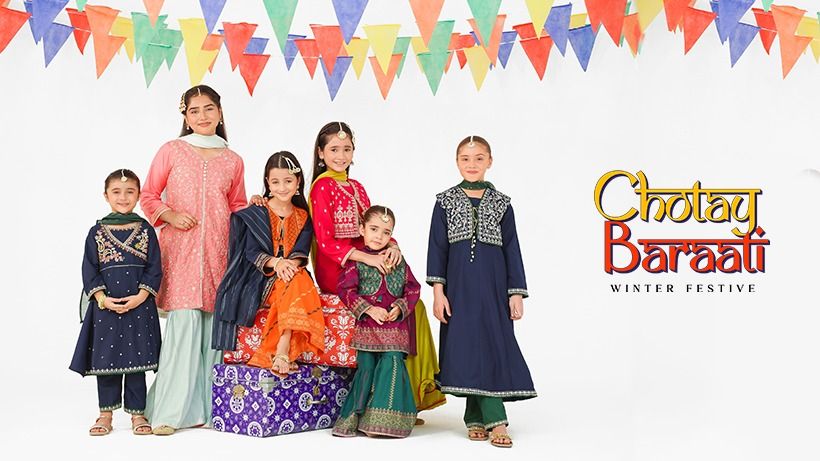
Building an eid collection that reflects your style, personality, and the festive spirit can make the celebrations even more memorable. But with so many styles, colors, and trends available, how do you create a balanced wardrobe that is practical, stylish, and versatile?
This guide will walk you through everything you need to know to build the perfect eid collection.
Basics of an Eid Style Collection
Before diving into shopping or styling, it’s essential to understand what makes a wardrobe balanced and effective. A balanced eid collection is not just about having multiple outfits but having a variety that complements your lifestyle, personal taste, and the festive spirit.
A good collection usually includes:
-
Traditional attire like shalwar kameez, sarees, lehengas, or kurta sets.
-
Modern fusion outfits that mix western and traditional elements.
-
Accessories to complete each look.
-
Comfortable and versatile pieces that can be reused in different combinations.
The key is quality over quantity. A smaller collection with versatile and well-coordinated outfits is often more valuable than an enormous collection with pieces you rarely wear.
Step 1: Identify Your Personal Style
The first step in creating a balanced eid collection is understanding your personal style. Everyone has unique preferences, and it’s essential to build a collection that feels like you.
Consider these questions:
-
Do you prefer traditional or modern styles?
-
Are you drawn to bold colors or soft pastels?
-
Do you like heavy embroidery or simple, minimal designs?
-
Are you comfortable experimenting with fabrics like silk, chiffon, or georgette?
For example, if you love classic traditional wear, your eid collection might focus on intricately designed shalwar kameez and sarees. If you enjoy modern twists, you may include fusion dresses or palazzo sets. Understanding your style will save you from buying pieces that you might never wear.
Step 2: Determine Your Budget
Budgeting is a critical part of building an eid collection. The cost of outfits, accessories, and shoes can add up quickly if you don’t plan carefully.
Start by setting a realistic budget for your collection. Consider breaking it down as follows:
-
60% on primary outfits (like dresses, shalwar kameez, or lehengas)
-
20% on accessories (jewelry, handbags, and shoes)
-
10% on fabrics for customization or tailoring
-
10% as a buffer for spontaneous purchases
Having a clear budget will help you avoid overspending while still building a stylish and complete eid collection.
Step 3: Choose a Color Palette
Colors play a significant role in your eid collection. They can reflect your mood, personality, and even cultural trends. To create a cohesive wardrobe, select a color palette before shopping.
Tips for selecting a color palette:
-
Pick 3-5 base colors that suit your skin tone.
-
Include a mix of neutrals and vibrant shades for versatility.
-
Consider seasonal trends; light pastels are popular for summer Eid, while deep jewel tones suit winter celebrations.
-
Think about coordination—your tops, bottoms, and accessories should blend well together.
For instance, a combination of soft pink, ivory, and mint green allows multiple mix-and-match options, making your eid collection more practical and stylish.
Step 4: Invest in Timeless Traditional Pieces
Traditional outfits form the backbone of any eid collection. These pieces not only celebrate cultural heritage but are also versatile enough to be worn year after year.
Some timeless options to consider:
-
Shalwar Kameez: A classic choice, available in a wide variety of fabrics and designs.
-
Lehengas: Perfect for more formal Eid gatherings.
-
Sarees: Ideal for those who love elegance and traditional draping.
-
Kurta Pajamas: Comfortable and easy to wear for casual celebrations.
When selecting traditional pieces, focus on fabric quality, embroidery details, and tailoring. High-quality traditional outfits are a long-term investment that can elevate your eid collection for years.
Step 5: Include Fusion and Modern Pieces
While traditional wear is essential, adding fusion or modern pieces can make your eid collection more dynamic. These outfits allow you to express creativity while keeping comfort in mind.
Popular modern options include:
-
Palazzo Sets: Comfortable yet chic for casual Eid gatherings.
-
Long Dresses with Embroidery: Mix western cuts with traditional patterns.
-
Jumpsuits with Festive Detailing: Stylish and modern.
-
Layered Skirts with Crop Tops: For a youthful, festive look.
Fusion pieces are especially valuable for younger audiences who want to combine contemporary fashion trends with traditional elements. They also provide variety for different types of Eid events, from family lunches to evening parties.
Step 6: Mix Fabrics for Variety
Fabric selection can make or break your eid collection. Each type of fabric has its own feel, style, and occasion suitability. A well-rounded wardrobe includes a mix of textures and materials.
Some popular options:
-
Silk: Luxurious and ideal for formal events.
-
Chiffon: Light, flowy, and perfect for warm weather.
-
Cotton: Comfortable for casual celebrations.
-
Velvet: Perfect for winter or evening Eid parties.
-
Georgette: Lightweight and ideal for embroidery work.
By mixing fabrics, your eid collection can cater to different occasions, weather conditions, and comfort levels, ensuring you’re always appropriately dressed.
Step 7: Pay Attention to Accessories
Accessories are the finishing touch that can elevate your eid collection. They not only complement your outfits but also allow you to experiment with different looks without purchasing new clothes.
Important accessories to consider:
-
Jewelry: Statement earrings, delicate necklaces, and bangles.
-
Footwear: Heels, sandals, or traditional juttis.
-
Bags and Clutches: Coordinate with your outfit color and style.
-
Scarves and Dupattas: Can instantly transform a simple outfit into an elegant look.
Remember, a single piece of accessory can change the entire vibe of your outfit, making it a valuable addition to your eid collection.
Step 8: Focus on Versatile Pieces
Versatility is key in building a balanced eid collection. Choose pieces that can be styled in multiple ways or paired with different outfits. This allows you to maximize the use of your wardrobe.
For example:
-
A plain silk kurta can be paired with embroidered palazzos, lehenga skirts, or even jeans for a fusion look.
-
Neutral-colored sarees can be styled with bold jewelry or minimal accessories depending on the occasion.
-
Simple tops can be paired with different bottoms and scarves to create a variety of outfits.
By investing in versatile pieces, you’ll be able to mix and match your eid collection, saving both money and storage space.
Step 9: Prioritize Comfort
Comfort is often overlooked in festive wardrobes, but it’s essential for enjoying celebrations without stress. Your eid collection should include outfits that allow easy movement, breathability, and comfort for long hours of wear.
Tips for ensuring comfort:
-
Choose breathable fabrics for daytime events.
-
Ensure tailoring fits well and allows free movement.
-
Opt for shoes that are stylish but comfortable enough to wear for several hours.
-
Consider lighter embroidery for casual celebrations and heavier designs for formal occasions.
A comfortable eid collection ensures you look good while feeling relaxed and confident throughout the festivities.
Step 10: Plan for Layering
Layering can add depth and creativity to your eid collection. It also allows you to adapt your outfits to different weather conditions and settings.
Ideas for layering:
-
Pair a sheer dupatta over a solid-colored kurta.
-
Use jackets or capes over dresses for an elegant twist.
-
Layer statement jewelry over simple outfits to add glamour.
-
Combine embroidered vests or shrugs with palazzo sets.
Layering provides flexibility, making your eid collection more functional and stylish.
Step 11: Consider Seasonal Trends
While classic pieces are essential, adding a few trendy items keeps your eid collection fresh and fashionable. Keep an eye on seasonal trends, but choose pieces that complement your existing wardrobe.
Current trends often include:
-
Pastel colors and floral prints for spring Eid.
-
Metallic embroidery and shimmer for festive evenings.
-
Fusion outfits blending traditional and western elements.
-
Statement sleeves, pleated skirts, or asymmetrical hemlines.
Integrating trends selectively ensures your eid collection feels modern without losing its timeless appeal.
Step 12: Build a Capsule Eid Collection
A capsule eid collection is a curated set of essential outfits and accessories that can be combined in multiple ways. This approach helps reduce clutter and ensures every piece is functional.
Components of a capsule eid collection:
-
3–4 primary traditional outfits.
-
2–3 fusion or modern pieces.
-
1–2 versatile bottoms like skirts or palazzos.
-
2–3 statement accessories.
-
Neutral basics like plain scarves or shoes.
A capsule eid collection maximizes style options while minimizing unnecessary purchases, making it a smart choice for students and young professionals.
Step 13: Incorporate Sustainable Choices
Sustainability is becoming an essential factor in fashion. Building a sustainable eid collection ensures you make environmentally responsible choices while still celebrating style.
Tips for sustainable Eid fashion:
-
Choose high-quality fabrics that last longer.
-
Avoid fast-fashion trends that are unlikely to be reused.
-
Consider second-hand or pre-loved traditional pieces.
-
Support local artisans and hand-crafted items.
A sustainable eid collection not only benefits the environment but also supports ethical fashion practices and traditional craftsmanship.
Step 14: Organize Your Wardrobe
Once you’ve built your eid collection, organizing it properly ensures easy access and maximizes its usability. A well-organized wardrobe prevents outfit overlaps and saves time during busy festive days.
Organizing tips:
-
Sort outfits by type: traditional, modern, casual, formal.
-
Use garment bags for delicate fabrics.
-
Arrange accessories in trays or small boxes for easy pairing.
-
Keep seasonal outfits in a separate section for quick access.
An organized eid collection makes planning your look for each day of Eid hassle-free.
Step 15: Mix and Match for Maximum Impact
The real magic of a balanced eid collection comes when you mix and match different elements. Experimenting with colors, textures, and accessories allows you to create multiple looks from fewer pieces.
Some mix-and-match ideas:
-
Pair a printed kurta with a neutral palazzo and bold jewelry.
-
Use a contrasting dupatta to change the vibe of a simple outfit.
-
Combine modern tops with traditional bottoms for fusion styles.
-
Layer a sheer scarf over evening gowns for an elegant touch.
Mixing and matching ensures your eid collection feels fresh and exciting throughout the celebrations.
Step 16: Tailor for Perfect Fit
Even the most beautiful outfits can look dull if they don’t fit well. Tailoring is essential to ensure your eid collection flatters your body shape and feels comfortable.
Tips for tailoring:
-
Always try outfits and adjust lengths or widths as needed.
-
Ensure sleeves and hemlines fall at the right length.
-
Make adjustments for waistlines and shoulder fits.
-
Don’t compromise comfort for aesthetics.
A well-fitted eid collection enhances confidence and style.
Step 17: Plan Ahead
Planning ahead can make the process of building your eid collection easier and more enjoyable. Avoid last-minute purchases by starting early.
Planning tips:
-
Make a checklist of outfits and accessories you need.
-
Note down any tailoring or customization requirements.
-
Keep track of budget allocations and seasonal trends.
-
Shop gradually to avoid overspending or rushed decisions.
A planned eid collection ensures you have the perfect outfit ready for each celebration day without stress.
Step 18: Add Statement Pieces
Every wardrobe benefits from statement pieces that stand out and draw attention. In your eid collection, statement items can elevate even simple outfits.
Examples:
-
A heavily embroidered lehenga or saree.
-
Bold jewelry like chandelier earrings or oversized necklaces.
-
Eye-catching shoes or clutches.
-
Unique fusion pieces with innovative designs.
Statement pieces help balance your eid collection, making it versatile for both casual and formal gatherings.
Step 19: Keep Practicality in Mind
While fashion is important, practicality should not be ignored. Your eid collection should include outfits suitable for different events, travel, and family gatherings.
Practical tips:
-
Include comfortable outfits for daytime family visits.
-
Have a few formal options for evening parties.
-
Choose washable fabrics for casual use.
-
Ensure mobility for children, elders, or travel purposes.
Balancing style with practicality ensures your eid collection is both beautiful and functional.
Step 20: Update Your Collection Regularly
Fashion evolves, and so should your eid collection. Regular updates ensure your wardrobe remains fresh and relevant.
Updating tips:
-
Replace worn-out or outdated pieces.
-
Add trendy colors or fabrics.
-
Incorporate new accessories.
-
Experiment with new fusion or modern styles.
A regularly updated eid collection ensures you always look stylish without feeling outdated.
Conclusion
Building a balanced eid collection is more than just shopping for outfits; it’s about planning, understanding your style, and making thoughtful choices. A well-curated collection includes a mix of traditional and modern pieces, versatile fabrics, statement accessories, and comfortable outfits. By following this comprehensive guide, you can create a wardrobe that not only reflects your personality but also adapts to different celebrations, weather conditions, and fashion trends.
Remember, balance, versatility, and planning are key. With a thoughtfully built eid collection, you’ll feel confident, festive, and stylish for every moment of Eid, year after year.