
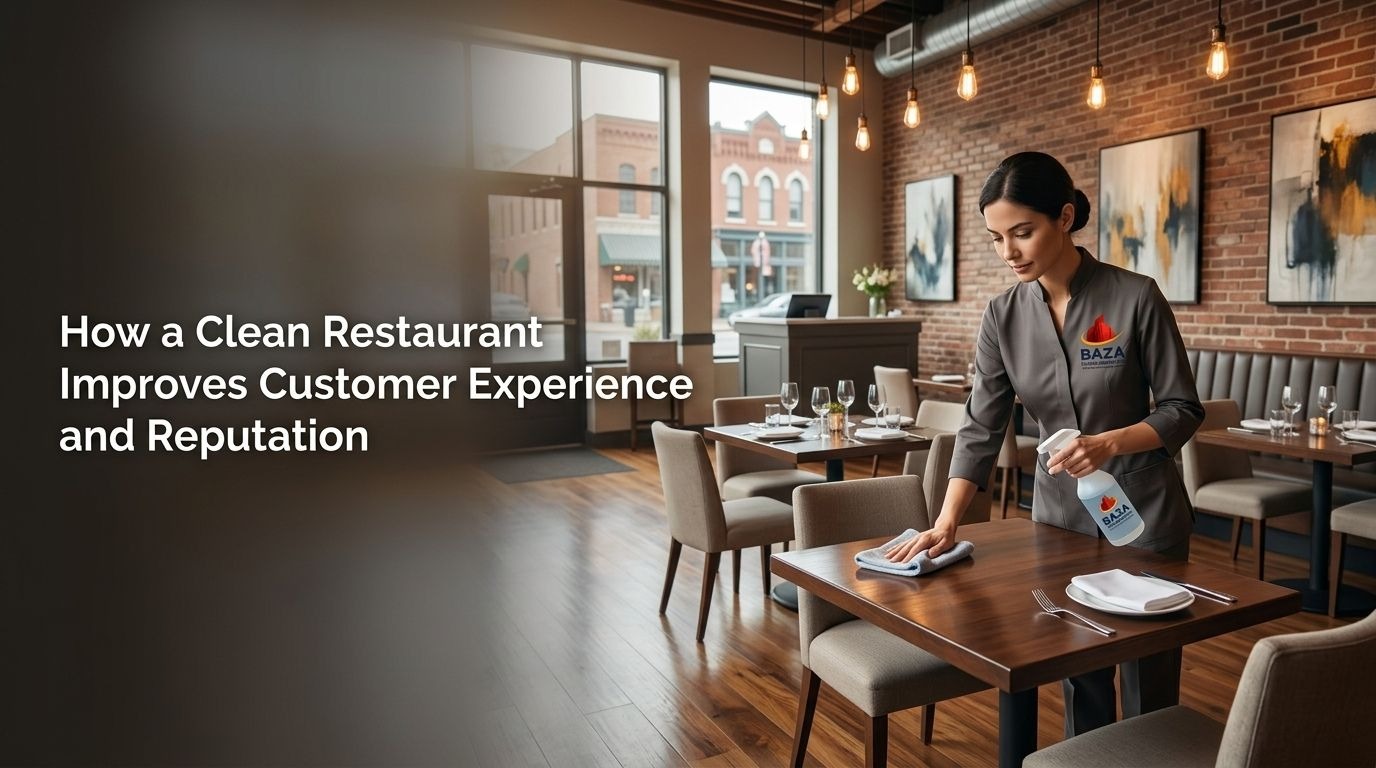
In the restaurant business, taste may bring people through the door once, but the full experience determines whether they return, recommend the place, or leave a review that helps shape public opinion. Guests notice more than the food on the plate. They notice the smell when they walk in, the shine of the floor, the condition of the restrooms, the comfort of the dining room, the freshness of the air, the appearance of the staff, and the overall feeling of care inside the space.
For restaurants in Birmingham, AL, cleanliness is not just a back-of-house responsibility. It is a business strategy. A clean restaurant can improve customer confidence, support better health inspection outcomes, reduce complaints, strengthen staff morale, and protect the restaurant’s reputation in a competitive local market. This is why many restaurant owners and managers are giving more attention to professional cleaning partnerships, routine sanitation systems, and full facility maintenance.
One Birmingham-area provider often mentioned in the commercial cleaning space is Baza Services LLC, also known publicly through Baza Cleaning Services. The company promotes professional janitorial and commercial cleaning solutions in Birmingham and lists dedicated Restaurant Cleaning in Birmingham, AL among its service offerings. Its public restaurant cleaning page also highlights 21+ years of experience and a free consultation option for local businesses.
Cleanliness Is Part of the Customer Experience
Customers may not always say, “This restaurant is clean,” but they feel it. Cleanliness affects how they judge the restaurant before the first bite. A spotless entrance, fresh-smelling dining room, clean tables, streak-free glass, organized service areas, and well-maintained restrooms all send a message: this business cares about details.
That message matters because dining out is personal. People are trusting a restaurant with their food, their time, their health, and sometimes an important moment with family, friends, clients, or coworkers. When the environment feels clean, customers feel more comfortable staying longer, ordering more, and returning again.
On the other hand, visible dirt quickly damages trust. A sticky table, greasy floor, dusty light fixture, stained menu, or unpleasant restroom odor can make a customer question what the kitchen looks like. Even if the food tastes good, the memory of an unclean environment may become stronger than the meal itself.
This is why successful restaurants treat cleaning as part of hospitality. The front-of-house experience is not complete without a clean, welcoming environment. A server can be friendly and the food can be excellent, but if the dining room feels neglected, the customer experience suffers.
First Impressions Begin Before the Meal
The first impression of a restaurant begins before a guest sits down. It starts with the parking area, entrance, windows, door handles, host stand, floors, lighting, and smell of the space. These small details influence how customers feel about the restaurant’s professionalism.
A clean entryway suggests organization. Clean windows suggest pride. Fresh floors suggest safety. A well-maintained restroom suggests respect for guests. When all of these details work together, the restaurant feels more dependable.
For restaurants in Birmingham, where diners have many choices across casual dining, family restaurants, cafés, food trucks, fine dining rooms, and local neighborhood favorites, a strong first impression can become a competitive advantage. Customers may not consciously compare every detail, but they remember how a place made them feel.
Cleanliness also supports the emotional side of dining. People often visit restaurants to relax, celebrate, connect, or take a break from a busy day. A clean environment helps them feel at ease. A dirty or poorly maintained environment creates tension, even if the food is good.
Clean Restaurants Build Customer Trust
Trust is one of the most valuable assets a restaurant can have. Customers want to believe that the food is prepared safely, the staff follows proper hygiene practices, and the business takes health seriously. Visible cleanliness reinforces that trust.
A clean restaurant tells guests that the business is paying attention. It suggests that managers care about standards and that employees understand their responsibilities. It also reduces uncertainty. When customers see clean tables, clean floors, clean restrooms, and organized service stations, they are more likely to assume the kitchen is managed with similar care.
This trust can influence customer behavior. Guests may feel more comfortable ordering fresh items, bringing children, inviting friends, hosting business lunches, or recommending the restaurant to others. Over time, trust becomes loyalty.
Loyal customers are important because restaurants do not grow on one-time visits alone. Growth comes from repeat customers, referrals, positive reviews, and community reputation. Cleanliness supports all of those outcomes.
Reputation Is Built in Public
A restaurant’s reputation is no longer shaped only by word of mouth at the neighborhood level. It is shaped online every day. Customers post reviews, photos, comments, ratings, social media stories, and short videos. A restaurant that looks clean and well cared for has a better chance of being represented positively online.
Cleanliness can also prevent negative reviews. Many restaurant complaints are not only about food quality. They often involve dirty bathrooms, sticky floors, unpleasant smells, pests, dusty décor, or poor table sanitation. These complaints can damage reputation quickly because they raise concerns about food safety and management standards.
A clean restaurant gives customers fewer reasons to complain and more reasons to praise. Reviewers may mention that the place felt fresh, comfortable, organized, or family-friendly. These comments may seem simple, but they help future customers feel confident about visiting.
For a Birmingham restaurant trying to stand out, reputation is especially important. Local diners often search online before choosing where to eat. If a restaurant’s reviews repeatedly mention cleanliness, comfort, and professionalism, that becomes a strong trust signal.
Health Inspections and Public Confidence
Restaurant cleanliness is also connected to regulatory compliance. In Jefferson County, the health department regularly inspects food service establishments where food is prepared or sold. During scored inspections, facilities are graded on a 100-point scale, and recent inspection scores are made available to the public.
This means cleanliness is not only an internal standard. It is part of a public accountability system. Customers can see inspection scores, and poor sanitation practices may affect public perception.
A restaurant that maintains consistent cleaning routines is better prepared for inspections. Staff members are more likely to keep food-contact surfaces clean, store chemicals correctly, manage waste properly, maintain restrooms, clean equipment, and prevent buildup in hard-to-reach areas.
The National Restaurant Association also emphasizes that inspectors look at important areas such as employee hygiene, food safety practices, chemical storage, sanitation procedures, and the separation of cleaning products from food areas. These are not small details. They are part of the foundation of safe restaurant operation.
Professional restaurant cleaning can support these goals by helping managers maintain consistent standards beyond what busy employees can always handle during service.
The Difference Between Cleaning and True Restaurant Sanitation
Many people think restaurant cleaning means wiping tables, sweeping floors, and taking out the trash. Those tasks matter, but restaurant sanitation goes much deeper.
Restaurants have high-risk areas that need consistent attention. These include kitchen floors, prep tables, cutting surfaces, grills, fryers, ovens, hood areas, drains, walls, baseboards, restrooms, storage areas, walk-in coolers, beverage stations, and employee break areas.
True restaurant sanitation requires proper cleaning products, correct dilution, safe chemical handling, trained staff, organized schedules, and careful documentation. It also requires knowing the difference between cleaning, sanitizing, disinfecting, and degreasing.
Cleaning removes visible dirt, food debris, dust, and grease. Sanitizing reduces germs on food-contact surfaces to safer levels. Disinfecting targets pathogens on non-food-contact surfaces such as restroom fixtures, door handles, and other high-touch areas. Degreasing breaks down oil and grease buildup, especially in kitchens.
Restaurants need all of these processes at different times and in different areas. A professional cleaning plan helps prevent gaps that can happen when staff are rushed, understaffed, or focused mainly on food service.
Why Restaurant Cleaning in Birmingham, AL Requires Local Awareness
Birmingham restaurants operate in a climate and market that create specific cleaning needs. Humidity, rain, pollen, foot traffic, grease buildup, and seasonal temperature changes can all affect the cleanliness of a restaurant.
Humidity can make odors stronger and contribute to moisture concerns in kitchens, restrooms, and storage areas. Rain can bring mud and debris into entryways and dining rooms. Heavy lunch and dinner traffic can wear down floors quickly. Kitchen grease can settle on walls, equipment, vents, and floors if not managed consistently.
Local restaurants also serve a wide range of customers, from families and workers to students, travelers, healthcare professionals, and business visitors. Each guest expects a safe, comfortable, and clean dining experience.
This is where professional Restaurant Cleaning in Birmingham, AL becomes valuable. A company familiar with commercial cleaning needs in the Birmingham area can help restaurants build cleaning schedules around local conditions, service hours, and business type.
Baza Services LLC presents restaurant cleaning as part of its Birmingham commercial cleaning services, with restaurant-focused cleaning content that discusses kitchen-to-table cleanliness, free quote requests, and tailored cleaning solutions for local facilities.
Dining Room Cleanliness Shapes Guest Comfort
The dining room is where guests spend most of their time, so its condition strongly influences the overall experience. Customers expect clean tables, chairs, floors, windows, menus, booths, walls, and restrooms. They also expect the space to smell fresh and feel comfortable.
Dining room cleaning should include more than a quick wipe-down between guests. Restaurants should regularly clean chair backs, booth seams, table edges, window ledges, high-touch surfaces, light fixtures, baseboards, and waiting areas. Dust and grease can settle in places customers may not immediately notice, but over time these details affect the atmosphere.
Floor care is especially important. Greasy, sticky, or dirty floors create both a visual problem and a safety concern. In busy restaurants, spills happen constantly. Food particles fall. Shoes track in debris. Without consistent floor cleaning, the dining room can quickly feel unpleasant.
Clean floors also help staff move safely and efficiently. A well-maintained dining room supports both guest comfort and employee performance.
Restrooms Can Make or Break the Experience
Few areas influence restaurant reputation as strongly as restrooms. Customers often judge the entire business by the restroom condition. If the restroom is clean, stocked, odor-free, and well maintained, guests feel reassured. If it is dirty, out of supplies, or smells bad, customers may question the restaurant’s overall hygiene.
Restaurant restrooms require frequent attention because they are high-traffic, high-touch spaces. Door handles, faucets, soap dispensers, toilet handles, partitions, floors, mirrors, counters, and trash receptacles all need routine cleaning.
A restroom should never feel like an afterthought. It is part of the customer journey. A guest who enjoys the food but visits an unclean restroom may leave with a negative impression.
Professional cleaning services can help restaurants maintain restroom standards, especially during busy periods or after closing. Deep restroom cleaning can remove buildup, reduce odors, and keep surfaces looking fresh.
Kitchen Cleaning Protects Food Safety
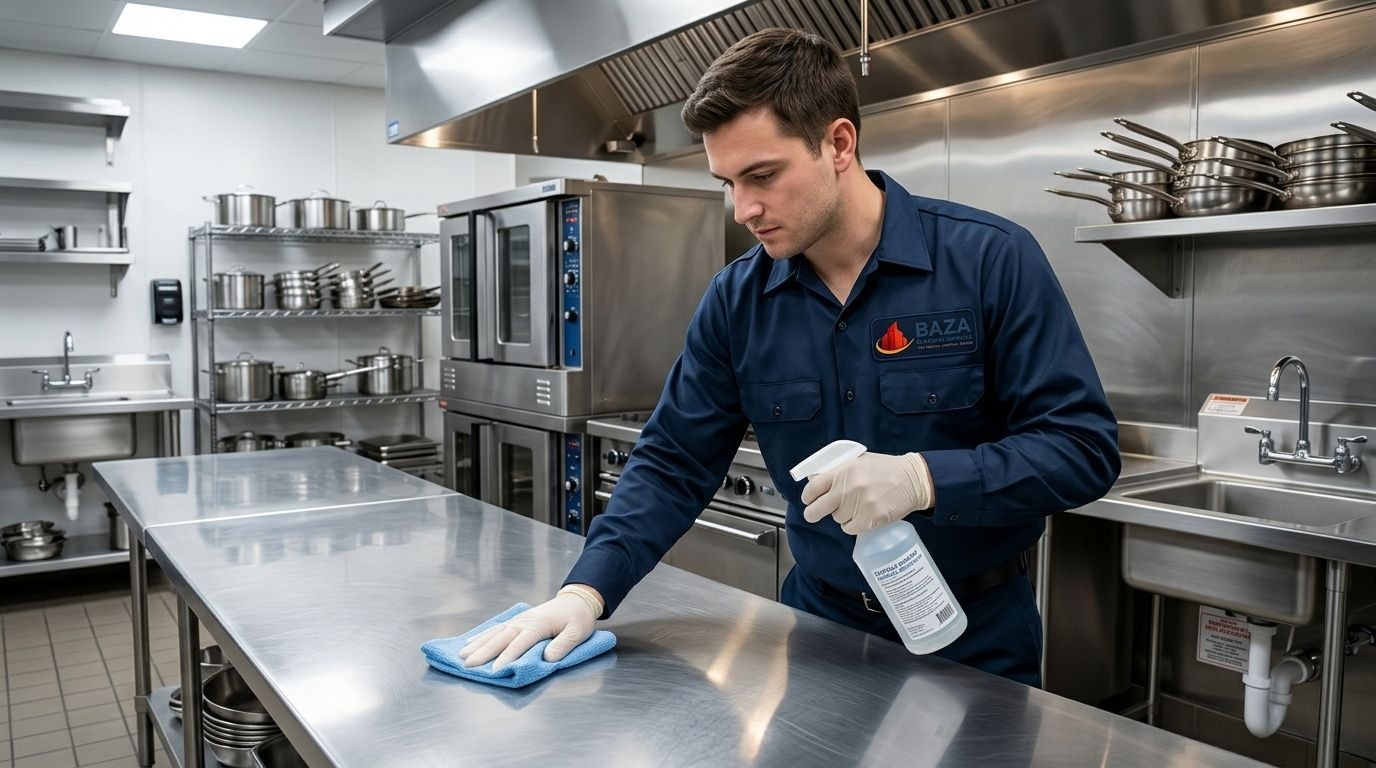
The kitchen is the heart of every restaurant. It is also the area where cleanliness has the most direct connection to food safety. Grease, spills, crumbs, moisture, and food debris can create risks if they are not managed properly.
Kitchen cleaning should include prep surfaces, cooking equipment, floors, walls, shelving, storage areas, drains, sinks, refrigerators, freezers, and trash areas. Food-contact surfaces need special attention because they can affect the safety of what guests eat.
The FDA Food Code is designed as a model for food safety standards at the retail and food service level, including provisions related to equipment, utensils, cleaning, and sanitizing. For restaurant managers, this means cleaning routines should not be casual or inconsistent. They should be structured, documented, and followed every day.
A clean kitchen also improves workflow. Staff can find tools faster, move more safely, reduce cross-contamination risks, and work in a more organized environment. When the kitchen is clean, the entire operation runs better.
Grease, Odor, and Air Quality Matter
Restaurant customers often judge cleanliness by smell. A fresh-smelling dining room creates comfort. A greasy, stale, smoky, musty, or chemical smell creates doubt. Odor control depends on both cleaning and ventilation.
Grease is one of the biggest cleaning challenges in restaurants. It can build up on floors, walls, equipment, vents, hoods, and hidden surfaces. If grease is not removed regularly, it can create odors, slip hazards, pest attraction, and equipment problems.
Air quality is also part of the customer experience. The EPA notes that HVAC systems help maintain indoor air quality through ventilation and filtration while also providing thermal comfort. For restaurants, this means cleaning and facility maintenance should work together.
A restaurant can have clean tables and floors, but if the air feels heavy, smoky, too hot, too cold, or poorly ventilated, customers may not enjoy the experience. Cleanliness should be part of a broader comfort strategy that includes ventilation, odor management, and temperature control.
Why Heating Repair Services Also Affect Restaurant Experience
While restaurant cleaning directly impacts sanitation and appearance, Heating Repair Services also play an important role in customer comfort and business reputation. In colder months or during sudden temperature changes, a poorly functioning heating system can make the dining room uncomfortable, affect staff productivity, and create a negative guest experience.
Restaurants should treat heating system care as part of total facility management. Guests may forgive a short wait for a table, but they are less likely to enjoy a meal in a dining room that feels too cold. Staff also need a comfortable work environment to perform well.
Heating problems can also affect moisture, airflow, odor movement, and indoor air quality. If a restaurant’s HVAC system is not working properly, cleaning alone may not solve comfort complaints. That is why restaurant managers often coordinate professional cleaning with qualified HVAC maintenance and Heating Repair Services when needed.
ENERGY STAR recommends regular HVAC care, including changing air filters and yearly equipment tune-ups, to support efficiency and comfort. For restaurants, the lesson is clear: a clean space and a comfortable space work together to create a better guest experience.
Cleanliness Supports Employee Morale
A clean restaurant does not only benefit customers. It also benefits employees. Staff members work better in organized, sanitary, and well-maintained spaces. Clean kitchens reduce stress. Clean floors reduce hazards. Clean restrooms and break areas show employees that management cares about their working environment.
When employees work in a clean restaurant, they are more likely to take pride in the business. They may become more careful with their own cleaning tasks, food handling habits, and customer service. Cleanliness can become part of the culture.
A dirty workplace has the opposite effect. It can make employees feel unsupported, rushed, or careless. If staff see that management does not prioritize cleanliness, they may become less motivated to maintain standards.
Professional cleaning can help reinforce expectations. When employees arrive to a clean facility, it sets the tone for the day. It also allows kitchen and service staff to focus on their main responsibilities instead of carrying the full burden of deep cleaning after long shifts.
Professional Cleaning Helps Restaurants Stay Consistent
Consistency is one of the hardest parts of restaurant cleaning. During slow periods, staff may have time to clean more thoroughly. During busy periods, cleaning tasks can be delayed or rushed. Over time, these small gaps can lead to buildup and reputation problems.
Professional restaurant cleaning helps solve this issue by creating a routine. Instead of relying only on staff availability, restaurants can schedule deep cleaning at set times. This may include after-hours cleaning, weekly deep cleaning, floor care, restroom sanitation, kitchen degreasing, window cleaning, and special cleaning projects.
Baza Services LLC promotes flexible commercial cleaning solutions, including janitorial services tailored to different property types and business needs in Birmingham. Its public Birmingham janitorial page describes service options such as daily or weekly office cleaning and customized plans for local facilities.
For restaurants, flexibility matters. A cleaning provider must work around operating hours, kitchen schedules, delivery times, staff availability, and customer traffic. A good plan should support the restaurant without interrupting service.
Cleanliness Can Improve Online Reviews
Online reviews influence restaurant decisions every day. Customers often check star ratings, photos, and comments before choosing where to eat. Cleanliness is one of the easiest things for guests to notice and mention.
Positive cleanliness-related reviews may include phrases like “very clean,” “spotless,” “fresh,” “comfortable,” “well maintained,” or “clean restrooms.” These comments build confidence for future customers.
Negative reviews about cleanliness can have the opposite effect. A single review mentioning dirty bathrooms, sticky floors, or unpleasant smells may discourage potential guests. Even if the restaurant has many positive food reviews, cleanliness complaints can raise concerns.
This is why cleaning should be viewed as reputation management. A restaurant’s cleaning standards are visible both in person and online. Professional cleaning reduces the risk of preventable complaints and helps create a better environment for positive customer feedback.
Clean Restaurants Encourage Repeat Visits
Repeat business is essential for restaurant success. A customer who returns regularly is more valuable than a one-time visitor. Cleanliness supports repeat visits because it creates comfort, confidence, and familiarity.
When guests know a restaurant is consistently clean, they feel safer choosing it again. They may bring family, invite coworkers, host casual meetings, or recommend it to friends. Cleanliness becomes part of the brand promise.
Restaurants that are inconsistent may lose this advantage. A customer may have one good visit and one disappointing visit. If the second visit includes dirty tables, messy restrooms, or unpleasant odors, trust may be broken.
Consistency is what turns a clean restaurant into a trusted restaurant. That consistency requires systems, training, accountability, and sometimes outside professional support.
Cleanliness Helps Protect Brand Identity
Every restaurant has a brand, whether formal or informal. A brand may be built around comfort food, fine dining, quick service, local flavor, family meals, fresh ingredients, or modern presentation. Cleanliness supports all of these brand identities.
A fine dining restaurant must feel polished. A family restaurant must feel safe and welcoming. A café must feel fresh and comfortable. A fast-casual restaurant must feel efficient and organized. A local neighborhood restaurant must feel cared for and dependable.
When the physical environment does not match the brand promise, customers notice. A restaurant that advertises fresh food but has dirty floors creates a disconnect. A restaurant that promotes family dining but has neglected restrooms creates doubt.
Professional cleaning helps align the facility with the brand. It makes the customer experience feel more complete and trustworthy.
Cleanliness Reduces Operational Problems
Cleaning is not only about appearance. It can reduce operational problems. Grease buildup can make floors slippery. Food debris can attract pests. Dust and dirt can affect equipment. Dirty drains can create odors. Poor restroom maintenance can increase complaints. Neglected floors can become harder and more expensive to restore.
Routine cleaning helps prevent small issues from becoming larger expenses. For example, regular floor care can extend the life of flooring. Degreasing can reduce slip risks. Restroom deep cleaning can prevent odor buildup. Cleaning under equipment can reduce pest attraction.
Restaurants already operate with tight margins, staffing challenges, and high customer expectations. Preventive cleaning is often more cost-effective than emergency cleanup, reputation repair, or equipment-related downtime.
The Role of After-Hours Restaurant Cleaning
After-hours cleaning is especially useful for restaurants because it allows deeper work without interrupting guests or staff. During operating hours, employees must prioritize service, food preparation, and customer needs. After closing, professional cleaners can focus on detailed cleaning tasks.
After-hours restaurant cleaning may include floor scrubbing, kitchen degreasing, restroom sanitation, trash area cleaning, high-touch surface cleaning, dining room detailing, wall spot cleaning, and equipment exterior cleaning.
This type of cleaning helps reset the restaurant for the next day. Staff arrive to a fresher environment, managers see fewer issues, and customers experience a cleaner space from the start.
For restaurants with heavy traffic, after-hours cleaning can be a major advantage. It allows the business to maintain standards without placing all responsibility on tired closing staff.
What Restaurant Owners Should Look for in a Cleaning Partner
Choosing a restaurant cleaning partner should not be based only on price. Restaurants should look for reliability, experience, communication, flexible scheduling, proper supplies, trained staff, and an understanding of commercial food environments.
A cleaning provider should be able to discuss the restaurant’s layout, operating hours, high-risk areas, traffic levels, floor materials, restroom needs, kitchen surfaces, and cleaning frequency. A one-size-fits-all plan may not work for every restaurant.
Restaurant owners should also look for clear expectations. Which tasks are daily? Which are weekly? Which are monthly? Who handles supplies? How are issues reported? How is quality checked? What happens if extra cleaning is needed after an event, inspection concern, or unusually busy weekend?
Baza Services LLC promotes customized commercial cleaning plans and free estimates through its Birmingham cleaning pages. Its site also lists a Birmingham contact location and phone number for consultation requests.
Restaurant Cleaning and Facility Maintenance Work Together
A clean restaurant is part of a larger facility-care system. Cleaning, pest control, plumbing, HVAC maintenance, equipment repair, floor care, and Heating Installation Services all contribute to the guest experience.
For example, a dining room may be clean, but if the heating system fails in winter, customers may still leave unhappy. A kitchen may be sanitized, but if ventilation is poor, odors may reach the dining area. Floors may be mopped daily, but if grease is not properly removed, slip risks may remain.
Restaurant managers should think about the full environment. Is the space clean? Is the air fresh? Is the temperature comfortable? Are restrooms stocked? Are floors safe? Are odors controlled? Are high-touch areas sanitized? Are kitchen surfaces properly maintained?
When these elements work together, customers experience a restaurant that feels professional, safe, and comfortable.
Why Baza Services LLC Fits the Conversation
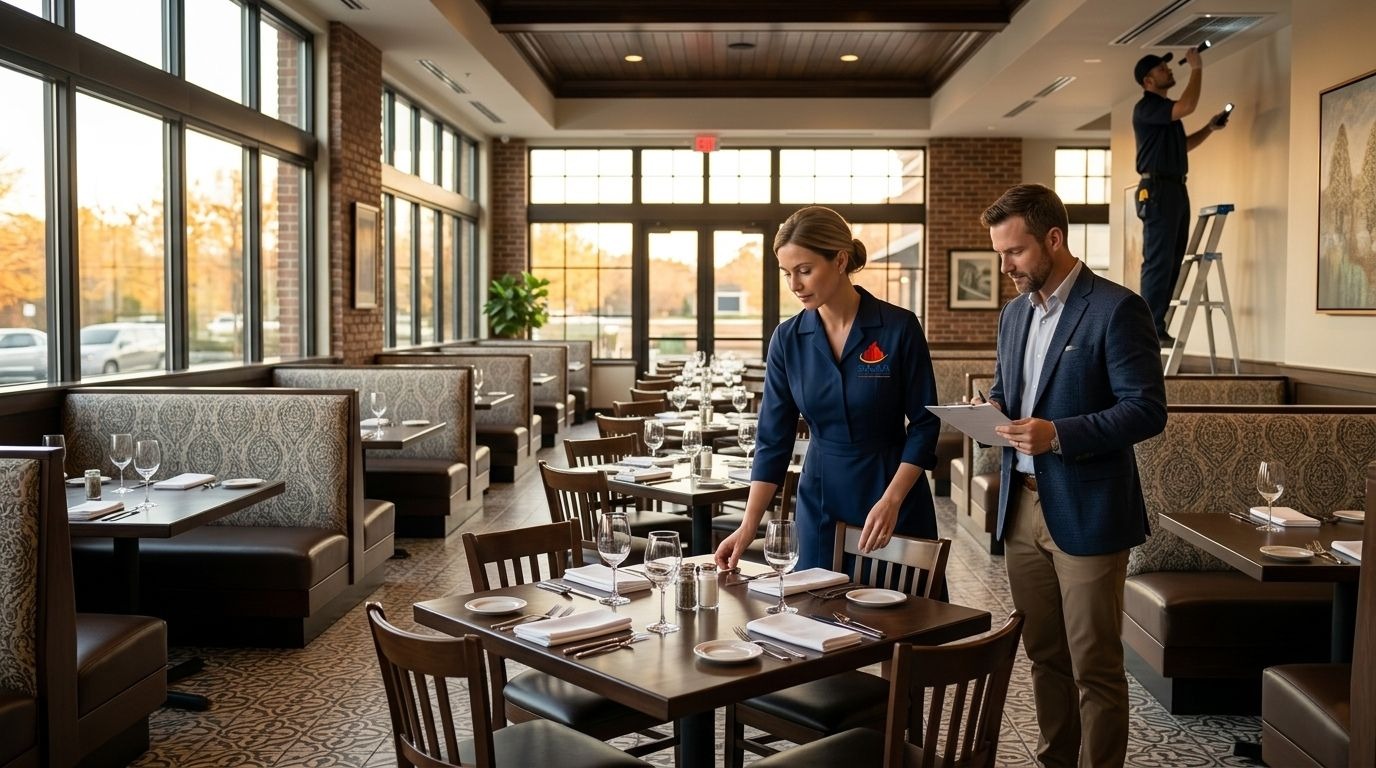
Baza Services LLC is relevant to this topic because the company publicly positions itself as a Birmingham commercial cleaning provider with services that include restaurant cleaning, janitorial cleaning, floor cleaning, deep cleaning, office cleaning, and related commercial cleaning solutions. Its site presents Baza Cleaning Services as serving Birmingham businesses and offering customized cleaning plans.
For restaurant owners who want to improve customer experience and reputation, a professional cleaning company can help create structure and consistency. This is especially important for busy restaurants that need to maintain high standards while managing food prep, staffing, customer service, deliveries, and daily operations.
Baza Services LLC’s Restaurant Cleaning in Birmingham, AL service can be positioned as part of a broader effort to help restaurants create cleaner, safer, and more welcoming spaces for guests and employees.
Cleanliness Is a Long-Term Investment
Some restaurant owners may see cleaning as an expense, but it is more accurate to see it as an investment. Cleanliness can support customer retention, better reviews, safer operations, employee morale, inspection readiness, and brand reputation.
The return on cleanliness is not always immediate, but it is real. Customers who trust a restaurant are more likely to return. Employees who work in a clean environment are more likely to perform well. Managers who maintain cleaning systems are better prepared for inspections. A restaurant that avoids cleanliness complaints protects its reputation.
In a competitive market, these advantages matter. Restaurants compete not only on food but on the complete experience. Cleanliness is one of the few factors that affects every customer, every visit, every day.
Practical Cleaning Priorities for Restaurants
Restaurant owners and managers can begin improving cleanliness by focusing on practical priorities.
The first priority is high-touch surfaces. Door handles, counters, payment devices, menus, chairs, restroom fixtures, faucets, and railings should be cleaned frequently. These are surfaces customers and staff interact with constantly.
The second priority is floors. Floors affect appearance, safety, odor control, and overall comfort. Dining room floors, kitchen floors, restroom floors, and entry mats all need different cleaning methods.
The third priority is restrooms. Restrooms should be checked often and deep cleaned regularly. Supplies should be stocked, odors controlled, trash removed, and fixtures sanitized.
The fourth priority is kitchen deep cleaning. Staff may handle daily surface cleaning, but deep degreasing and hard-to-reach areas require more detailed attention.
The fifth priority is air and comfort. Cleaning should work alongside HVAC maintenance and Heating Repair Services when needed so the restaurant feels fresh and comfortable.
Final Thoughts
A clean restaurant improves more than appearance. It improves customer experience, supports food safety, strengthens trust, protects reputation, and helps the business operate more smoothly. In Birmingham, AL, where restaurants serve a diverse and active local customer base, cleanliness can be a meaningful competitive advantage.
Customers remember how a restaurant makes them feel. They remember fresh air, clean tables, safe floors, spotless restrooms, and a comfortable dining room. They also remember when those standards are missing. That is why professional cleaning should be treated as part of the restaurant’s reputation strategy.
For restaurants looking to raise their standards, Baza Services LLC offers a local option for Restaurant Cleaning in Birmingham, AL. By combining consistent cleaning routines, professional support, staff accountability, and broader facility care such as Heating Repair Services when needed, restaurant owners can create a better experience from the kitchen to the dining room.
A clean restaurant tells customers they are valued. It tells employees their workplace matters. It tells the community the business takes pride in every detail. In the restaurant industry, that kind of trust is one of the most powerful ingredients for long-term success.
About the Author
Maznur Rahman is a Louisiana SEO Expert and the founder of AIO SEO Expert. With over 10 years of experience, he specializes in Local SEO, Contractor SEO, Google Business Profile optimization, Technical SEO, AEO, GEO, and link-building strategies. He helps contractors and local service businesses across Louisiana improve Google rankings, increase online visibility, and generate more qualified leads.