

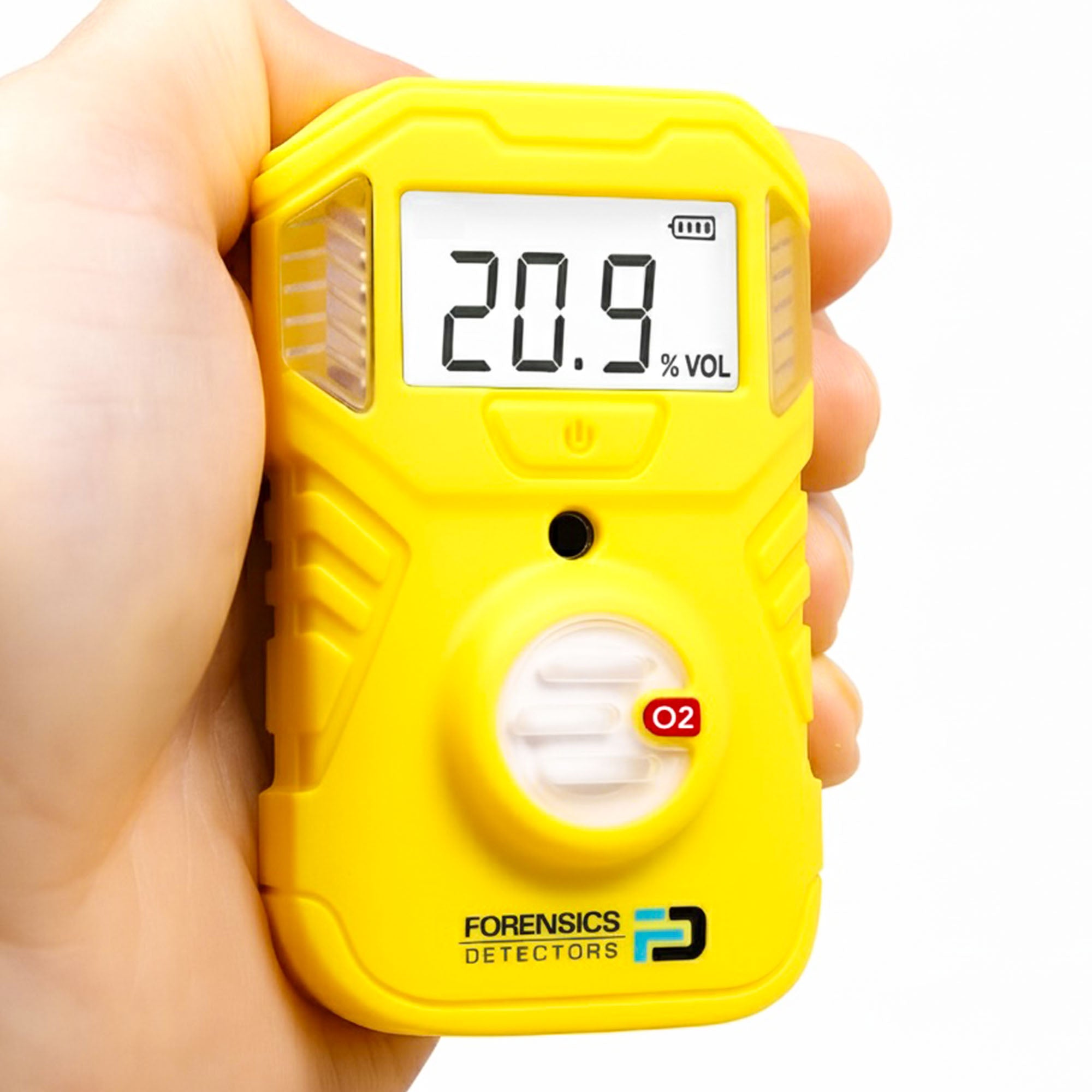
Gas detectors and gas analyzers are necessary for ensuring refuge, monitoring air tone, and maintaining submission with environmental regulations. These tools are widely used in industries, laboratories, and act settings to detect unsafe gases, keep accidents, and protect human being health. Understanding how these work and their applications is crucial for anyone working in environments where gas exposure is a risk.
What Are Gas Detectors?
Gas detectors are devices premeditated to sense the front of specific gases in the air and alert users to potential dangers. They are commonly used in heavy-duty facilities, chemical plants, minelaying operations, and confined spaces. Their primary resolve is to keep accidents, such as fires, explosions, or health hazards caused by deadly or inflammable gases.
Types of Gas Detectors
Gas detectors come in different forms depending on the engineering science used and the gases they are designed to observe:
Electrochemical detectors: Used for sleuthing deadly gases like carbon paper monoxide or H sulphide. These render an physical phenomenon stream when the poin gas interacts with the sensing element.
Infrared detectors: Ideal for combustible gases like methane and propane, they quantify the absorption of infrared radiation get off by gas molecules.
Catalytic bead detectors: Designed to feel inflammable gases by oxidizing the gas on a chemical process come up, producing heat and dynamic the detector s resistance.
Photoionization détecteur de fumée de cigarette (PID): Used for detecting fickle organic fertiliser compounds(VOCs), these analyzers use ultraviolet get off to ionize gases and measure the ensuant stream.
Gas detectors can be either portable for subjective safety or unmoving for uninterrupted monitoring in industrial environments.
What Are Gas Analyzers?
Gas analyzers differ from detectors in that they measure the of gases rather than simply indicating their front. These instruments are normally used in laboratories, state of affairs monitoring, and heavy-duty work on control. By providing pinpoint data, gas analyzers help optimise operations, insure regulatory submission, and subscribe research purposes.
Common Types of Gas Analyzers
Non-dispersive infrared radiation(NDIR) analyzers: Measure gases like carbon and carbon monoxide by detective work how particular wavelengths of infrared get off are absorbed.
Electrochemical analyzers: Provide punctilious readings for deadly or combustible gases in testing ground and heavy-duty settings.
Mass spectrometers: Detect bigeminal gases simultaneously with extremely low detection limits, offering highly precise results.
Gas chromatography systems: Analyze complex gas mixtures, providing elaborate information for each component.
Applications and Benefits
Gas detectors and analyzers are indispensable across various sectors:
Industrial safety: Preventing exposure to virulent or inflammable gases and reduction the risk of fires and explosions.
Environmental monitoring: Measuring emissions to abide by with air quality standards and regulations.
Occupational health: Protecting workers in restrained spaces, chemical substance plants, and minelaying operations.
Scientific search: Analyzing gas compositions to support studies and improve industrial processes.
Conclusion
Gas detectors and gas analyzers are crucial tools for maintaining safety, monitoring environmental conditions, and ensuring compliance with regulations. They cater early on warnings and hairsplitting measurements, protecting lives, prop, and the . As engineering science advances, these devices are becoming more medium, outboard, and structured with integer monitoring systems, making them more trustworthy and accessible for industrial, laboratory, and human activity applications.