

Choosing the right serveware is an important part of creating a beautiful and functional dining experience. Whether you are hosting a family dinner, arranging a festive gathering, or enjoying everyday meals, the right serving pieces can make food presentation more attractive and convenient. However, with different materials, designs, sizes, and styles available, selecting suitable serveware can sometimes feel confusing.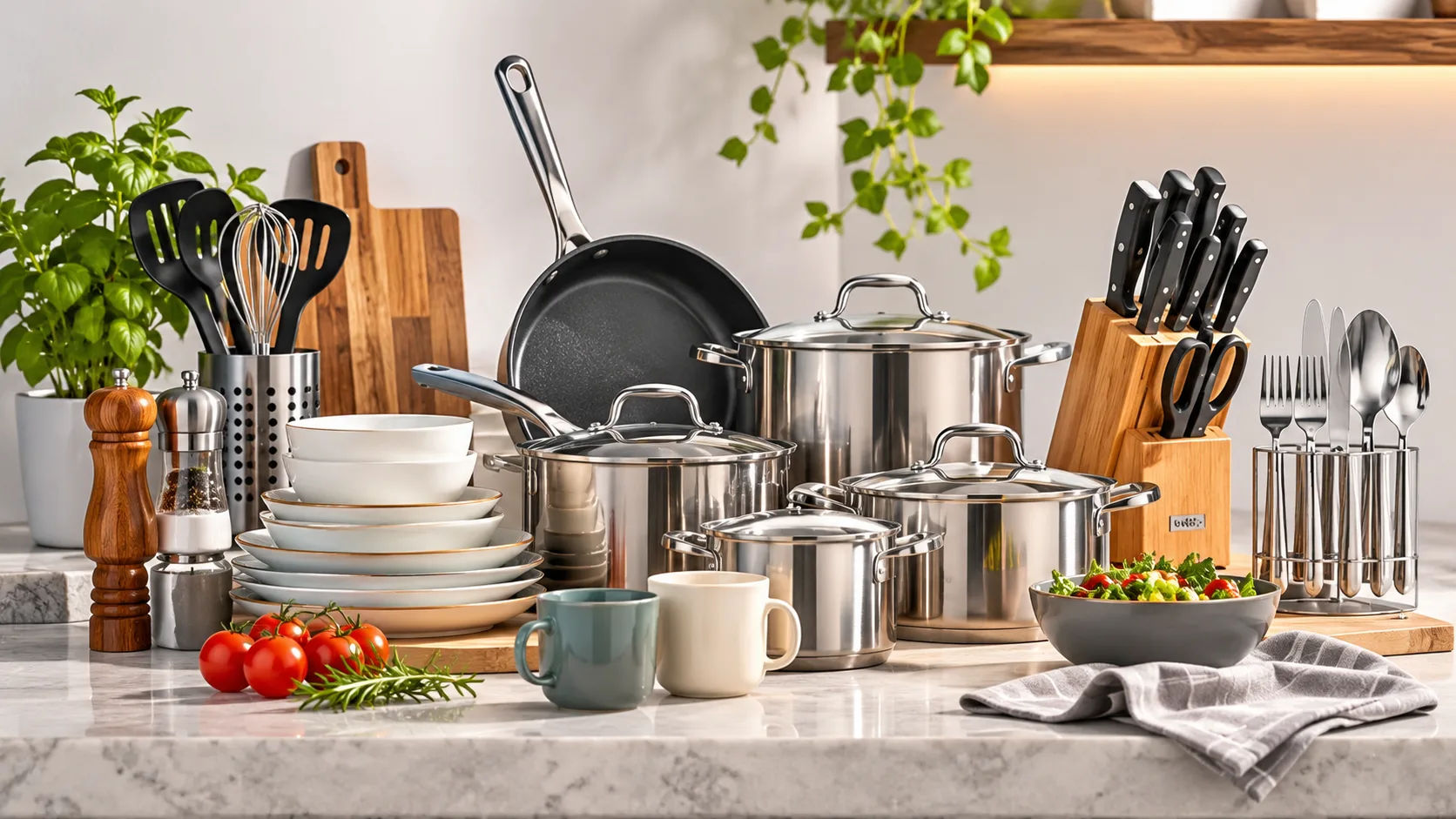
Symphony serveware can be considered when looking for serving pieces that combine practical use with attractive presentation. Before making a purchase, it is important to understand your household requirements, preferred dining style, available storage space, and the types of meals you usually serve.
Good serveware should do more than hold food. It should make serving easier, complement your existing dinnerware, and suit the occasions when you plan to use it. From choosing the right serving bowls to selecting elegant platters, every detail can influence your dining experience.
This comprehensive guide explains how to choose suitable serveware, what features to consider, how to compare different options, and how to maintain your purchases for long-term use.
Your Serveware Requirements
Symphony serveware choosing suitable serveware is understanding how you intend to use it. Every household has different dining habits, and the right selection depends on your daily needs.
Some families regularly host guests, while others mainly need serving pieces for everyday meals. Your requirements should determine which products deserve priority.
Consider Your Daily Dining Habits
Think about the meals you usually prepare and serve. If your family enjoys rice, curries, salads, and vegetable dishes, you may need several bowls and large serving dishes.
If you frequently serve snacks, desserts, sandwiches, or baked foods, flat trays and decorative platters may be more useful.
Understanding your regular meals helps you avoid purchasing unnecessary items.
Identify Special Occasions
Special occasions often require more attractive serving arrangements. Weddings, birthdays, family celebrations, and festive dinners may involve several dishes and different types of refreshments.
For these occasions, Symphony serveware can be selected according to the presentation style you want to create.
Consider whether you need elegant serving bowls, matching platters, dessert dishes, or pieces suitable for formal dining.
Set Your Priorities
Make a list of the serveware items you need most. Start with essential pieces before considering decorative additions.
This approach makes shopping more organized and helps you spend your budget wisely.
2. Choose the Right Material
Material is one of the most important factors when selecting serveware. It affects durability, appearance, maintenance, weight, and suitability for different foods.
Different materials offer different advantages, so it is important to understand their characteristics.
Ceramic Serveware
Porcelain is known for its smooth finish and elegant appearance.
It is often suitable for formal dining because it creates a refined presentation. Many porcelain products are also relatively lightweight compared with some other ceramic options.
Check whether the product is designed for everyday use and whether it is dishwasher-safe or microwave-safe.
Glass Serveware
Stainless steel is a practical choice for many households.
It is generally durable, easy to clean, and suitable for regular serving. Stainless steel bowls and trays are particularly useful for large family meals.
However, their appearance may not suit every formal dining arrangement.
Compare Materials Before Buying
Do not choose a material based only on appearance. Consider its weight, durability, cleaning requirements, and intended use.
For a busy household, easy maintenance may be more important than an elaborate decorative finish.
3. Select the Appropriate Size
Choosing the correct size is essential for convenient food serving.
A serving dish that is too small may require frequent refilling, while an oversized dish can occupy unnecessary table space.
Small Serving Bowls
Small bowls are useful for sauces, dips, chutneys, nuts, and individual portions of desserts.
They are particularly helpful when serving several side dishes together.
If you regularly prepare different condiments, consider purchasing a few small bowls in complementary designs.
Medium-Sized Bowls
Medium bowls are suitable for vegetables, salads, snacks, and side dishes.
They are versatile because they can be used for everyday meals as well as informal gatherings.
A household with several family members may benefit from having multiple medium-sized serving bowls.
Large Serving Dishes
Large serving bowls and platters are useful for rice, pasta, salads, roasted vegetables, and main dishes.
They are especially convenient when hosting guests.
Before purchasing large Symphony serveware pieces, measure your dining table and available storage areas.
Think About Storage Space
Large serving pieces may look attractive in a shop but become difficult to store in a crowded kitchen.
Choose products that fit comfortably inside your cupboards.
Stackable designs can be particularly useful because they reduce storage requirements.
4. Consider Design and Appearance
Serveware contributes significantly to the overall appearance of your dining table.
The right designs can make even simple homemade meals look more appealing.
Choose a Suitable Colour Scheme
Neutral colours such as white, cream, beige, and grey are versatile choices.
They work well with different tablecloths, dinner plates, and dining room decorations.
If you prefer a colourful dining arrangement, consider pieces with subtle patterns or decorative details.
However, avoid choosing too many competing colours because they can make the table look crowded.
Match Your Existing Dinnerware
Before buying new pieces, examine your current dinnerware collection.
Consider the colours, patterns, and shapes of your existing plates and bowls.
Symphony serveware should complement your dining arrangement rather than make it appear inconsistent.
Matching products can create a coordinated appearance, while carefully selected contrasting pieces can add personality.
Select Between Modern and Traditional Designs
Modern designs often feature simple shapes, smooth surfaces, and minimal decoration.
Traditional designs may include detailed patterns, decorative borders, and classic colours.
Your personal preference and the overall style of your home should guide your selection.
If you want versatile products, choose designs that can work for both casual and formal occasions.
5. Examine Product Quality and Durability
Appearance is important, but product quality should always be a major consideration.
Serveware is handled regularly, washed frequently, and sometimes exposed to temperature changes. Poor-quality products may become damaged after limited use.
Inspect the Surface
Examine each piece carefully before purchasing.
Look for:
-
Cracks or small fractures.
-
Uneven edges.
-
Scratches or visible marks.
-
Poorly finished surfaces.
-
Uneven colouring or glazing.
-
Manufacturing defects.
A smooth and properly finished surface generally makes cleaning easier.
Check the Weight
Weight can influence how comfortable a serving dish is to handle.
Very heavy bowls may be inconvenient when filled with food. Extremely lightweight products may also feel less stable, depending on their construction.
Choose a comfortable balance between strength and usability.
Examine the Base
The base of a serving bowl or platter should sit securely on a flat surface.
An uneven base can cause the dish to wobble, increasing the possibility of accidental spills.
For larger pieces, check that the base provides sufficient stability.
Review the Product Finish
A consistent finish improves the overall appearance and usability of serveware.
For ceramic and porcelain products, check the glaze for irregularities. For metal products, examine the edges and surface finishing.
Quality construction helps make Symphony serveware a more practical long-term purchase.
6. Choose Different Types of Serveware
A useful collection includes different pieces for different foods.
Instead of buying several similar products, focus on creating a balanced collection.
Serving Bowls
Platters are ideal for presenting grilled foods, sandwiches, kebabs, pastries, and appetizers.
Rectangular platters offer a modern appearance, while oval designs can create a more traditional presentation.
Choose a size that allows food to be arranged without overcrowding.
Dessert Dishes
Dessert dishes are useful for serving puddings, ice cream, fruit salads, and other sweet treats.
Smaller bowls are suitable for individual servings, while larger dishes work well for sharing.
Snack Trays
Snack trays are practical for serving biscuits, sandwiches, nuts, and other refreshments.
They are particularly useful when guests visit unexpectedly.
Choose trays that are easy to carry and comfortable to clean.
Tea and Refreshment Accessories
If you regularly serve tea, coffee, or cold drinks, consider complementary serving accessories.
A coordinated arrangement can make refreshments look more organized and attractive.
7. Evaluate Functionality and Convenience
Beautiful serveware should also be easy to use.
Consider how each product will perform during regular meals and larger gatherings.
Look for Comfortable Handling
Serving dishes should be easy to lift, carry, and place on the table.
Handles, raised edges, and well-designed shapes can improve handling.
If a dish is particularly large, check whether it can be carried comfortably when filled.
Consider Spill Prevention
Serving bowls with suitable depth and raised edges can reduce accidental spills.
This is particularly important when serving liquid-based foods, sauces, and gravies.
Flat platters are better suited to dry foods and items that do not require deep containers.
Check Temperature Suitability
Not every serving dish is suitable for hot food.
Some materials can be damaged by sudden temperature changes.
Always check the manufacturer's instructions before placing hot dishes into serveware.
Similarly, do not assume that a serving dish can be used in an oven, microwave, or freezer simply because it looks durable.
Prioritize Easy Cleaning
Serveware should not require complicated cleaning after every meal.
Smooth surfaces and practical shapes are generally easier to wash.
Check whether products are dishwasher-safe. If they are not, follow the recommended handwashing instructions.
8. Consider Your Budget
A sensible budget helps you choose useful products without overspending.
Serveware is available in different materials, designs, and quality levels, so comparing options is important.
Decide How Much You Want to Spend
Before shopping, determine how much you can comfortably spend.
Separate essential purchases from decorative items.
For example, serving bowls and platters may be more important than specialized dessert accessories if you frequently host family dinners.
Compare Quality Instead of Price Alone
The cheapest product is not always the best value.
A low-cost item that cracks quickly may need replacement, while a slightly more expensive, durable product may provide better long-term value.
Examine material quality, construction, finish, and care requirements before deciding.
Consider Buying Sets
Buying a coordinated set can be convenient because the pieces usually share similar colours and designs.
However, make sure the set contains items you will actually use.
An expensive collection with unnecessary accessories may not offer good value.
Avoid Unnecessary Purchases
Do not buy products simply because they look attractive.
Think about your existing collection and identify any missing pieces.
This helps prevent duplicate purchases and saves storage space.
9. Choose Serveware According to Your Lifestyle
Different households require different serving solutions.
The best selection should match your daily routine and the way you entertain guests.
For Small Families
Small families may prefer compact serving bowls, medium platters, and a few versatile dishes.
There is no need to purchase a large collection if most meals are served in small quantities.
Choose products that can perform multiple functions.
For Large Families
Large families often need bigger serving dishes and multiple bowls.
Having several pieces available makes it easier to serve different foods simultaneously.
Durability and easy cleaning should be important priorities.
For People Who Frequently Host Guests
If you regularly organize dinner parties or family gatherings, invest in a coordinated collection.
Consider large platters, multiple serving bowls, snack trays, and dessert dishes.
A balanced assortment makes arranging a dining table much easier.
For Everyday Household Use
For everyday dining, choose practical designs that are comfortable to handle and maintain.
Avoid delicate pieces if they are likely to be used frequently by children or in a busy kitchen.
10. Check Safety and Food Compatibility
Food safety should never be overlooked when choosing serving products.
Not every material or decorative finish is suitable for every type of food.
Look for Food-Safe Materials
Choose products specifically intended for food contact.
The surface should be properly finished, without damaged coatings or exposed materials.
Avoid using products with cracked glaze or deteriorating decorative finishes for food service.
Understand Temperature Limitations
Some materials can tolerate hot food, while others may be more sensitive to sudden temperature changes.
Follow the manufacturer's temperature recommendations.
Never transfer a cold dish directly into extreme heat unless the product is specifically designed for that purpose.
Check Microwave and Dishwasher Compatibility
Microwave-safe and dishwasher-safe are separate product features.
A dish may be suitable for one appliance but not the other.
Always check the product label or manufacturer's instructions.
Metal serveware should not be placed in a microwave unless the appliance manufacturer specifically permits the particular product and use.
Pay Attention to Damaged Pieces
Damaged serveware should be inspected before reuse.
Cracks, chips, and peeling decorative finishes can create hygiene and safety concerns.
Replace items that are no longer suitable for food serving.
11. Tips for Shopping for Symphony Serveware
Shopping becomes easier when you know exactly what to look for.
Whether you purchase from a physical store or an online retailer, use a consistent evaluation process.
Read Product Descriptions
Product descriptions provide important details about materials, dimensions, and care instructions.
Check these details before making a purchase.
Do not rely entirely on product photographs because images may not accurately communicate the actual size or weight.
Compare Available Designs
Examine different shapes, colours, and finishes.
Think about how each product will look alongside your existing plates, glasses, and table accessories.
The goal is to create a coordinated collection rather than purchasing unrelated items.
Verify the Product Dimensions
Dimensions are particularly important when purchasing online.
Check the diameter, height, width, and capacity where available.
This helps you understand whether a bowl or platter is suitable for your intended use.
Review Return and Replacement Policies
Before completing your purchase, understand the retailer's return policy.
This is particularly important for fragile products.
Check how damaged or defective items are handled and whether replacements are available.
Buy From a Reliable Seller
Purchase from a reputable retailer that provides clear product information.
Check product descriptions, packaging details, and customer feedback where available.
Reliable sellers can make the shopping experience more convenient and reduce the risk of receiving unsuitable products.
12. How to Maintain Your Serveware
Proper care helps maintain the appearance and usefulness of your serving collection.
Different materials require different cleaning methods, so always follow the manufacturer's instructions.
Clean After Every Use
Wash serving dishes after use to prevent food residue from drying on the surface.
Use warm water and a suitable dishwashing liquid.
A soft sponge is usually preferable because rough cleaning materials may scratch delicate finishes.
Avoid Sudden Temperature Changes
Allow hot serving dishes to cool gradually before washing them, unless the manufacturer provides different instructions.
Sudden temperature changes can cause certain materials to crack.
Store Carefully
Place serving bowls and platters in a clean, dry cupboard.
When stacking delicate products, use protective separators if necessary.
Avoid placing heavy objects on top of fragile dishes.
Remove Stains Carefully
Some foods, including tomato-based sauces and strongly coloured ingredients, may leave stains.
Clean affected surfaces promptly.
Use only cleaning products suitable for the material. Avoid harsh chemicals and abrasive cleaners unless specifically recommended.
Inspect Regularly
Check your collection occasionally for cracks, chips, and damaged surfaces.
Keeping damaged products separate prevents accidental use.
Regular maintenance can help your Symphony serveware remain attractive and functional over time.
13. Common Mistakes to Avoid When Choosing Serveware
Even attractive products can become disappointing purchases if important details are ignored.
Understanding common mistakes can help you make better decisions.
Choosing Appearance Over Practicality
An attractive serving dish may not be suitable for everyday meals.
Consider its weight, size, material, and cleaning requirements before buying.
Ignoring Storage Requirements
Large products can occupy considerable cupboard space.
Always consider where you will store your purchases.
Buying Too Many Similar Items
Purchasing several nearly identical bowls may not improve your collection.
Choose a variety of useful shapes and sizes instead.
Ignoring Care Instructions
Some products require handwashing, while others can be placed in a dishwasher.
Understanding maintenance requirements prevents accidental damage.
Overlooking Your Existing Dinnerware
New serving products should work with your existing dining collection.
Consider colours, shapes, and patterns before making a purchase.
Conclusion
Choosing the right serveware requires a balance between appearance, quality, convenience, and affordability. A well-selected collection makes everyday meals easier to serve and helps create attractive dining arrangements for special occasions.
When shopping for Symphony serveware, begin by identifying your household requirements and the types of food you regularly prepare. Consider the number of people you usually serve, the occasions when you entertain guests, and the amount of storage space available in your kitchen.
Material selection is equally important. Ceramic, porcelain, glass, and stainless steel each offer different benefits. Compare their durability, weight, maintenance requirements, and suitability for your intended use before making a decision.
Size and design also deserve careful attention. Small bowls are useful for sauces and snacks, medium dishes work well for side meals, and larger platters are ideal for main courses and gatherings. Select colours and patterns that complement your existing dinnerware.
You should also examine product quality, food safety, temperature compatibility, and cleaning instructions. These details influence how conveniently you can use your serveware over time. Setting a realistic budget and avoiding unnecessary purchases will help you build a useful collection without overspending.
Most importantly, choose products that suit your lifestyle rather than following trends alone. A practical and coordinated collection can improve food presentation, simplify serving, and make family meals more enjoyable.
With thoughtful planning, careful comparison, and regular maintenance, your serveware collection can remain attractive, functional, and useful for many years.