
Ask ten training managers about diesel engine animation and you will get ten different definitions. Some mean the complete, step-by-step teaching program for assembly and disassembly; others mean any animated visualization of how an engine works, from a two-minute combustion cycle to a full cutaway tour of the fuel system. The difference matters, because it changes what you buy, how you use it, and what your learners actually take away. This analysis compares the two concepts across the dimensions that matter for oil and gas equipment training: purpose, content structure, learning outcomes, and cost.
Purpose and Scope: Two Different Jobs
The first and most important difference is purpose. Animation of diesel engine assembly and disassembly is a procedure-focused teaching tool: its job is to train learners to perform a specific physical task correctly, in the right order, with the right tools. Diesel engine animation in the broader sense is an understanding-focused visualization tool: its job is to show how the engine works, how components interact, and where energy flows. One trains the hands; the other trains the mind.
The distinction is not about quality, because both can be excellent, but about what each can deliver. A combustion animation can make thermodynamics intuitive in thirty seconds, but it will not tell a technician which bolt to remove first. A step-by-step assembly animation will train the full procedure, but it is not the right tool for explaining why compression ratio matters. Choosing between them without knowing which job you need done is how training budgets go wrong.
Content Structure: Sequence versus Story
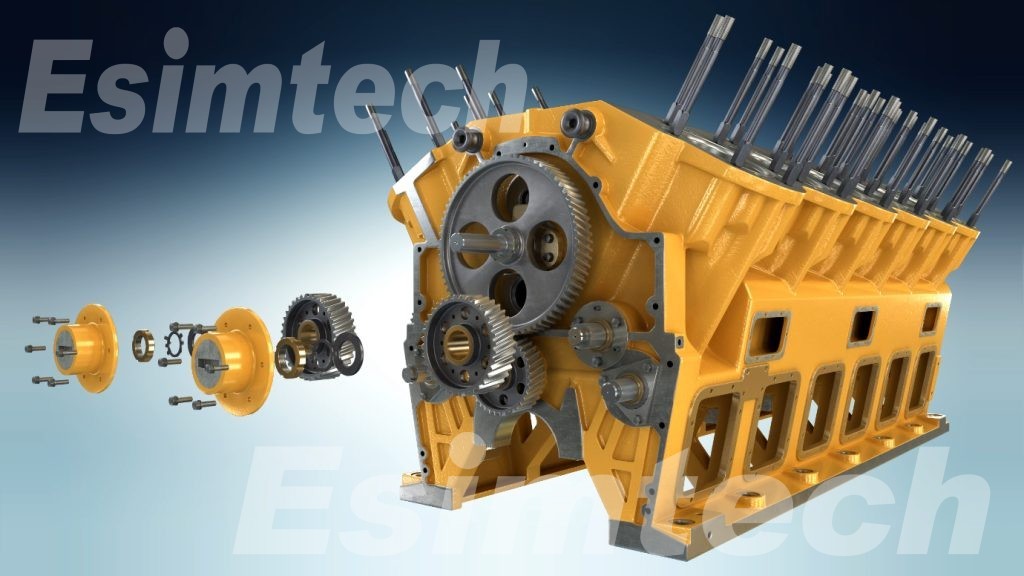 The structural difference is visible within minutes of watching. Assembly and disassembly content is organized as a sequence: numbered steps, each with a tool, a torque value, and a reason, building toward a completed procedure that the learner can be assessed on. General engine animation is organized as an explanation: components are introduced as the story requires, cutaways reveal the action, and the goal is comprehension rather than a checklist. The two structures serve different learners at different moments, and the best training programs use both, sequence first to build procedural skill, then story to deepen understanding.
The assessment implications follow directly. Because the assembly content is sequenced and labeled, it supports objective testing: sequence quizzes, error-spotting exercises, and step identification. General animation supports different kinds of questions, concept checks and diagnostic reasoning, which are valuable but harder to score mechanically. Organizations that need documented competence evidence will naturally lean toward the procedural format.
Learning Outcomes and Audience Fit
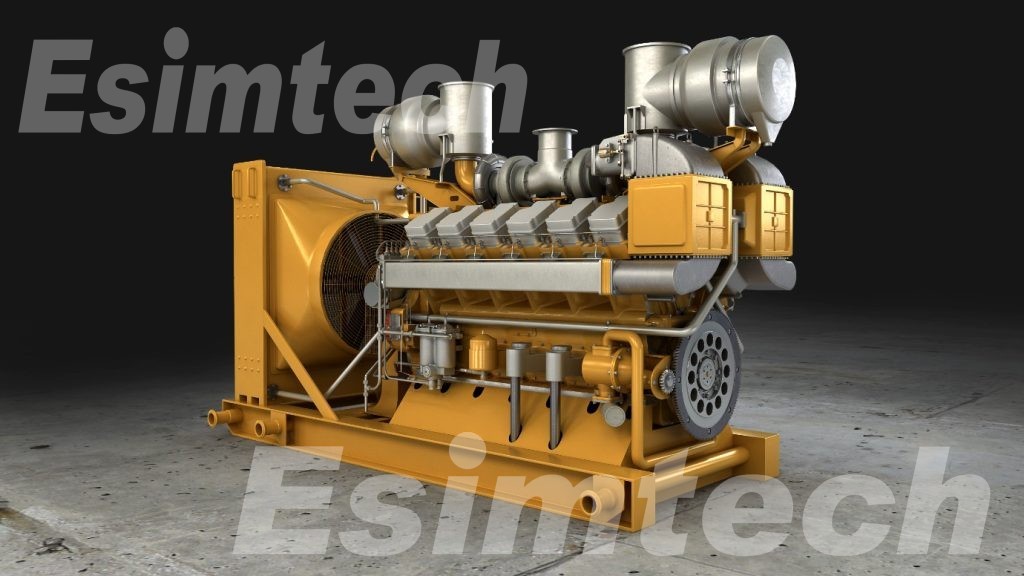 Measured by learning outcomes, the two formats shine in different settings. Procedural animation produces measurable gains in hands-on performance: learners complete real assembly tasks faster and with fewer errors after studying the sequence. General engine animation produces measurable gains in conceptual knowledge: learners explain operating principles more clearly and diagnose faults more systematically. For a maintenance technician, procedural skill is the priority; for an operator or an engineer, conceptual understanding may matter more; for most oil and gas training programs, the answer is both.
The audience fit follows the same logic. Entry-level students benefit from general animation first, because they need to understand what an engine is before they take one apart. Advanced trainees and working technicians benefit from procedural animation, because they are being assessed on procedures. A complete curriculum sequences the two: general animation builds the foundation, and animation of diesel engine assembly and disassembly builds the skill on top of it.
Cost, Integration, and the Verdict
On cost, the comparison is more subtle than it looks. General engine animation is often cheaper per minute of content, but it delivers a different, harder-to-measure outcome. Procedural content costs more to build, because it must be verified against the real equipment and the manufacturer’s procedures, but it produces documented, assessable results. When training budgets are evaluated by outcomes rather than by minutes, procedural content often wins, and that is why it has become the growth segment. The reference materials that compare the two formats, including the widely used guide to diesel engine animation, generally reach the same conclusion.
Integration is the final dimension. General animation is easy to slot into lectures as a visual aid. Procedural content asks more of the institution: it wants to sit at the center of the workshop flow, with assessment and scheduling around it. That is a bigger commitment, but it is also the reason it changes outcomes.
The verdict for a training manager is a both, in the right order. Use broad diesel engine animation to build understanding, then step-by-step procedural content to build skill, and assess both. The institutions that treat the two as complements, rather than competitors, are the ones whose graduates arrive at the workshop ready to work, and in the oil and gas industry, that readiness is worth real money.