
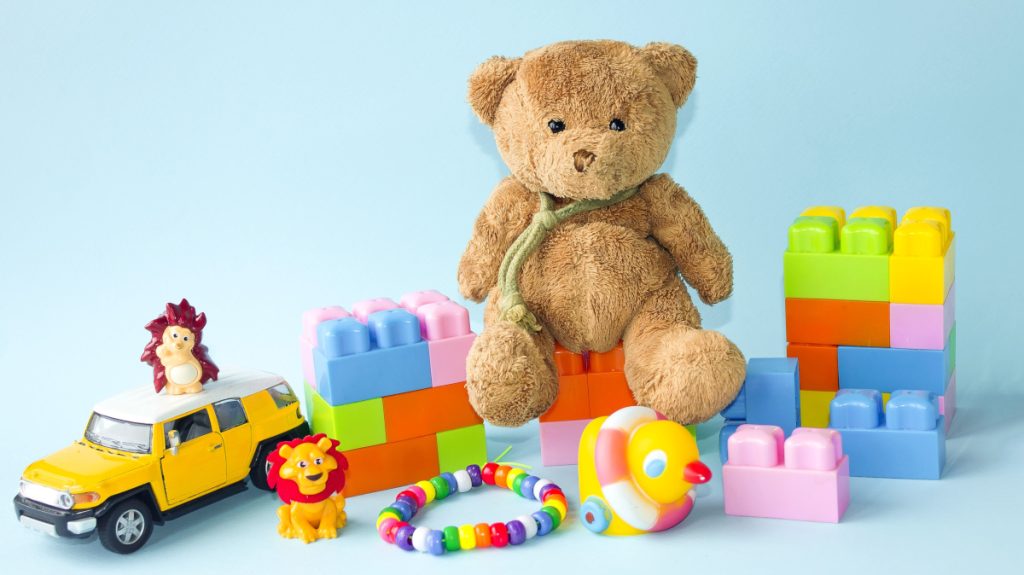
Toys have been a part of human history for thousands of years, evolving alongside society and culture. While their primary role is often seen as entertainment, the significance of toys extends far beyond mere play. They are powerful agents of development, shaping a child’s cognitive, emotional, physical, and social growth. The world of toys is vast and diverse, offering children more than just fun—it provides opportunities for learning, self-expression, and skill development. This article delves into the vital role toys play in shaping the future generation, acting as invisible teachers that prepare children for the complexities of life.
The Educational Power of Play
Play is essential for a child’s development, and toys are often the tools through which children engage in this crucial activity. The act of playing is not just a way to pass time; it is how children make sense of the world around them. It allows children to explore, experiment, and learn in a natural, engaging environment.
Toys that encourage interaction and problem-solving, like puzzles, building blocks, or games that require strategic thinking, contribute to the development of critical cognitive skills. As children manipulate toys, they practice important abilities such as concentration, memory, logic, and decision-making. For instance, when a child solves a puzzle, they are strengthening their spatial awareness and developing problem-solving skills. 星球大戰玩具 that involve matching, sorting, or sequencing help children improve their ability to recognize patterns and enhance their understanding of logic.
Educational toys, particularly those designed around STEM concepts (Science, Technology, Engineering, and Mathematics), further foster cognitive development by introducing children to complex ideas in a fun and digestible way. Toys that involve building, coding, or creating—from robotic kits to interactive electronics—are designed to stimulate curiosity and enhance problem-solving capabilities. As children play with these toys, they are not only learning about STEM subjects but also developing a mindset that encourages exploration and critical thinking.
Emotional Development: Understanding Feelings and Building Empathy
Toys also play a crucial role in the emotional development of children. Through imaginative play, children are able to express and process their emotions. Toys that involve role-playing, such as dolls, action figures, and playsets, help children make sense of their emotions by simulating real-life scenarios. Whether they are playing doctor, parent, or teacher, children practice different emotional responses, which helps them develop a deeper understanding of their own feelings and those of others.
This kind of play allows children to navigate complex emotions in a safe space, offering them an opportunity to work through fears, anxieties, or challenges they may be facing in their own lives. For example, a child playing with a toy doctor’s kit may role-play a doctor tending to a patient, which allows them to process their own feelings about health and caregiving. Through these actions, children learn empathy, compassion, and how to care for others.
Furthermore, toys that require taking turns, sharing, and cooperating—such as board games, team-building toys, or group activities—teach children valuable lessons in social-emotional skills. They learn to negotiate, communicate, and collaborate with others, developing emotional intelligence along the way. These experiences encourage children to understand the importance of patience, kindness, and respect.
Physical Development: Building Coordination and Strength
While cognitive and emotional development often take center stage, toys are also essential for a child’s physical development. Many toys are designed to enhance both fine and gross motor skills, helping children develop their strength, coordination, and agility. For infants and toddlers, toys like rattles, soft balls, and stacking rings help with hand-eye coordination and dexterity. These early toys encourage the grasping and manipulating of objects, which strengthens the muscles needed for fine motor skills.
As children grow, physical activity through toys becomes more pronounced. Outdoor toys such as bicycles, jump ropes, and sports equipment help children develop gross motor skills, including running, jumping, and balance. These activities not only improve physical strength but also foster a sense of confidence as children learn to master physical challenges.
Toys that encourage creativity through art, such as paint sets, clay, and drawing materials, also contribute to fine motor skill development. By holding crayons, paintbrushes, or scissors, children build hand strength and coordination while also engaging in creative self-expression. These activities also promote concentration and attention to detail, contributing to a child’s overall developmental growth.
Social Skills: Learning to Interact with Others
Toys are invaluable in helping children develop social skills and interact with peers in meaningful ways. As children grow, they learn to navigate complex social environments, and toys play a significant role in teaching them the rules of social engagement.
Group activities, whether they are board games, team-building toys, or role-playing games, help children learn important social skills such as teamwork, turn-taking, and communication. Board games teach children how to take turns, handle winning and losing gracefully, and work cooperatively toward a common goal. These skills are essential for children as they form relationships and understand the dynamics of social interaction.
Role-playing toys, such as dolls, action figures, or pretend kitchens, also play a pivotal role in teaching social skills. By acting out various roles, children practice different social scenarios, learning how to interact with others in different settings. Whether it’s being a teacher, a parent, or a doctor, children explore social roles and understand the expectations that come with them.
Toys that foster cooperative play, such as building sets, musical instruments, or outdoor games, encourage collaboration and negotiation, teaching children how to communicate effectively, share, and compromise. These social skills are crucial not only in childhood but throughout a person's life, forming the basis for strong relationships and successful teamwork in the future.
The Impact of Technology: Innovating Play for the Future
As society continues to embrace technological advancements, toys have not been left behind. Today, toys often incorporate elements of technology, making them even more engaging and educational for children. Interactive toys, including robots, augmented reality (AR) games, and digital puzzles, offer children the opportunity to engage with technology in a way that is both entertaining and informative.
Toys that combine play and technology help children develop digital literacy skills and prepare them for a future in which technological fluency will be essential. These toys allow children to explore coding, robotics, and problem-solving in an intuitive and enjoyable way. As children play with these digital toys, they develop not only technological skills but also critical thinking and creative problem-solving abilities.
However, as toys become more tech-integrated, there is also an increasing awareness of the need for balance. While digital toys have immense educational potential, they should not replace the value of traditional, tactile play. Parents and caregivers must ensure that children maintain a balance between screen-based play and hands-on, imaginative activities that foster creativity, physical development, and social interaction.
Sustainability: Teaching Responsibility Through Play
In recent years, there has been a growing awareness of the environmental impact of toys, and manufacturers have responded by creating eco-friendly alternatives. Sustainable toys, made from recycled materials, organic fabrics, and non-toxic paints, are becoming increasingly popular among environmentally conscious parents.
Not only do sustainable toys help reduce the environmental footprint of toy production, but they also teach children important lessons about sustainability. By playing with eco-friendly toys, children learn to appreciate nature and understand the importance of taking care of the planet. This early awareness can foster a sense of environmental responsibility that will stay with them as they grow.
In addition to eco-friendly materials, many toys are now designed with longevity in mind. Durable, high-quality toys that can be passed down or reused help reduce waste and promote a mindset of sustainability. These toys encourage children to value long-lasting, meaningful play experiences over disposable, short-term entertainment.
Conclusion: Toys as Essential Tools for Growth
Toys are far more than simple entertainment; they are essential tools for a child’s development. From cognitive growth and emotional intelligence to physical strength and social competence, toys help children navigate the world in ways that support their holistic development. Whether through imaginative play, problem-solving challenges, or cooperative activities, toys offer opportunities for children to learn, grow, and explore.
As technology and sustainability continue to shape the toy industry, the power of toys as developmental tools will only continue to evolve. The future of play lies in toys that educate, inspire, and connect children to the world around them. In a sense, toys are the invisible teachers—guiding children through their formative years and preparing them for the challenges and opportunities that lie ahead.