
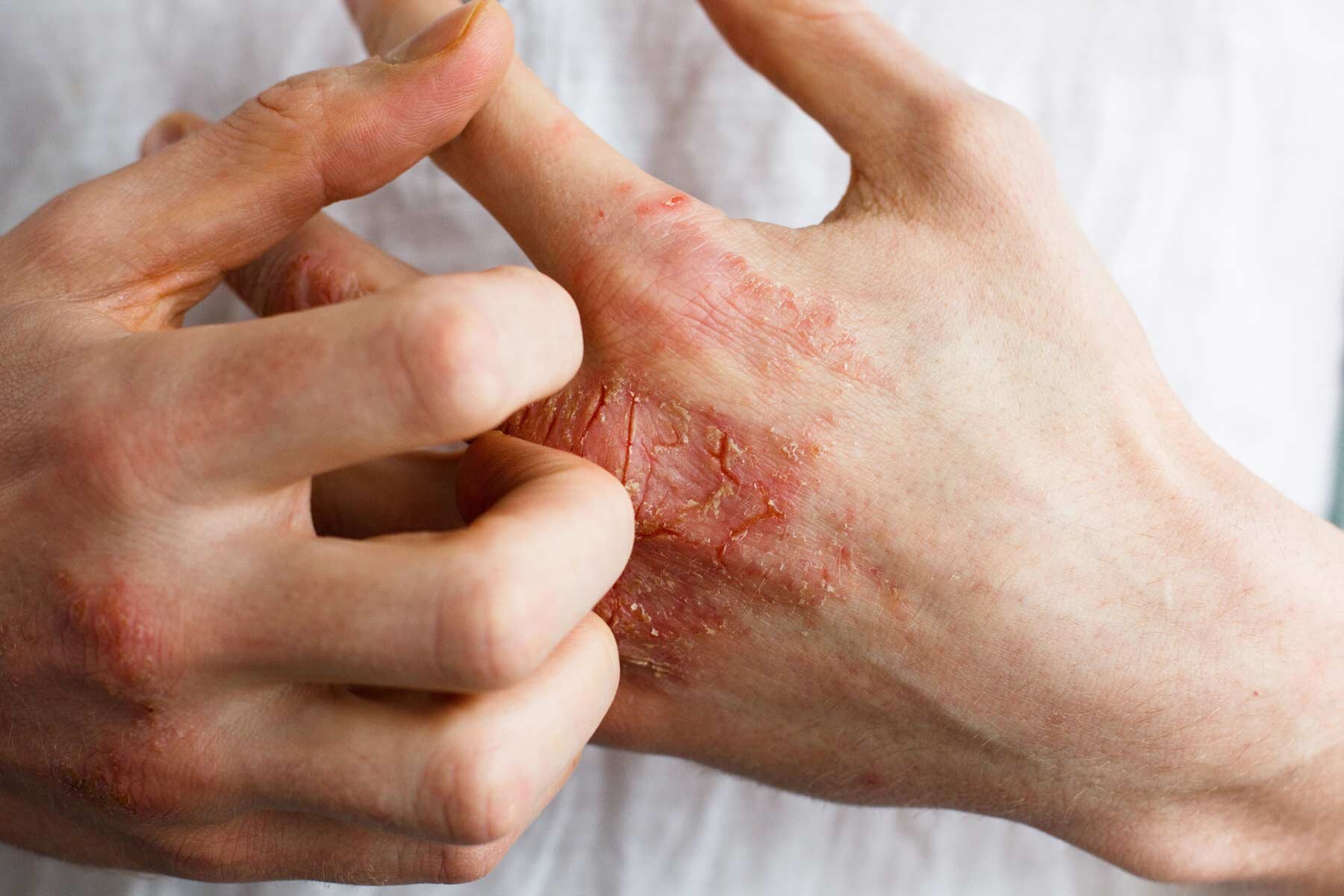
Eczema, a chronic skin condition, is often misunderstood as just a mild irritation, but for millions of people worldwide, it can lead to significant discomfort and lifestyle disruptions. Characterized by inflamed, itchy, and irritated skin, eczema affects individuals of all ages, with varying degrees of severity. The condition can impact a person’s appearance, emotional well-being, and overall quality of life. While there is no cure for eczema, understanding its causes, symptoms, and treatment options can empower those affected to manage the condition and live more comfortably.
This article will delve into the different types of eczema, their causes, common triggers, treatment options, and strategies for managing flare-ups effectively.
What Is Eczema?
Eczema, also known as dermatitis, refers to a group of skin conditions that cause inflammation, irritation, and intense itching. The term “eczema” is often used interchangeably with atopic dermatitis (AD), but eczema actually includes several different types of skin disorders. Though it is not contagious, eczema can be very uncomfortable for those suffering from it.
At its core, eczema is a disorder in which the skin’s protective barrier is compromised, making it more vulnerable to irritants and allergens. This can result in dry, cracked skin that’s more susceptible to infection. Eczema often appears in patches and may be localized to certain areas of the body, or it may cover larger sections of the skin.
Types of Eczema
There are several distinct forms of eczema, each with its own characteristics and triggers. The most common types include:
-
Atopic Dermatitis (AD): The most common form of eczema, AD usually appears during childhood. It is often linked to other allergic conditions, such as asthma and hay fever. The skin becomes red, inflamed, and intensely itchy, often found on the face, inner elbows, and behind the knees.
-
Contact Dermatitis: This type occurs when the skin comes into contact with an irritant or allergen. Common causes include certain soaps, cosmetics, plants, and metals like nickel. Symptoms often appear in specific areas of contact, such as hands or face.
-
Dyshidrotic Eczema: This form affects the hands and feet, causing small, fluid-filled blisters that are intensely itchy. Dyshidrotic eczema is often triggered by stress, sweating, or hot, humid weather.
-
Seborrheic Dermatitis: Typically affecting the scalp, face, and upper chest, seborrheic dermatitis causes greasy, flaky, or scaly patches of skin. It is commonly associated with dandruff and can worsen with stress or cold weather.
-
Nummular Eczema: Characterized by coin-shaped patches of irritated skin, nummular eczema is often very itchy and can be triggered by dry skin or environmental changes. These patches can appear anywhere on the body.
-
Stasis Dermatitis: This form of eczema is seen in individuals with poor circulation, particularly in the lower legs. It is associated with swelling, irritation, and the potential development of ulcers.
Symptoms of Eczema
Eczema symptoms can vary in severity depending on the individual and the type of eczema. Some of the most common symptoms include:
-
Intense Itching: Eczema is known for causing extreme itching, which can range from mild to severe. This constant urge to scratch can lead to further irritation, skin damage, and infections.
-
Redness and Inflammation: The affected areas become red, swollen, and inflamed. The skin may appear rash-like and can become sensitive to touch.
-
Dry and Cracked Skin: A hallmark of eczema is the skin’s inability to retain moisture. This leads to dryness, flakiness, and sometimes cracking or bleeding of the skin.
-
Blisters and Oozing: In more severe cases, small blisters filled with fluid may form. These can burst, causing the skin to ooze and potentially become infected.
-
Thickened Skin: Over time, repeated scratching and inflammation can cause the skin to become thick and leathery in a process called lichenification.
Causes of Eczema
While the exact cause of eczema is not completely understood, several factors are known to contribute to the development and exacerbation of the condition. These include:
-
Genetics: Family history plays a major role in the development of eczema. If one or both parents have a history of eczema, asthma, or hay fever, their children are at an increased risk.
-
Immune System Dysfunction: Eczema is considered an autoimmune condition, where the immune system responds abnormally to environmental factors, causing inflammation and irritation of the skin.
-
Skin Barrier Defects: In eczema sufferers, the skin’s natural protective barrier is often compromised. This makes it more difficult for the skin to retain moisture and keep irritants out, leading to dry, inflamed skin.
-
Environmental Triggers: Many people with eczema are sensitive to environmental triggers, such as allergens (pollen, dust mites, pet dander) or irritants (harsh chemicals, fragrances, soaps). Extreme temperatures or humidity can also exacerbate symptoms.
-
Stress: Emotional stress is a well-known trigger for eczema flare-ups. The stress response can aggravate the immune system, making inflammation worse and intensifying symptoms.
Treatment and Management of Eczema
While there is no permanent cure for eczema, there are several ways to treat and manage the condition. With the right combination of treatment options and lifestyle modifications, individuals with 濕疹治療法 can live comfortably and minimize flare-ups. Some of the most effective approaches include:
-
Moisturization: Regularly moisturizing the skin is one of the most important steps in managing eczema. Using thick, fragrance-free creams and ointments can help lock in moisture and protect the skin’s barrier. Apply moisturizers immediately after bathing to trap moisture on the skin.
-
Topical Steroids: Corticosteroid creams and ointments are commonly used to reduce inflammation, redness, and itching during flare-ups. However, long-term use should be monitored by a healthcare provider to avoid potential side effects, such as thinning skin.
-
Non-Steroidal Treatments: For sensitive skin areas, such as the face or eyelids, non-steroidal treatments like tacrolimus or pimecrolimus can be used to reduce inflammation without the side effects associated with steroid use.
-
Antihistamines: Oral antihistamines can be effective in managing itching, especially during flare-ups. These medications can also help with sleep disruption caused by nighttime itching.
-
Phototherapy: Phototherapy, or light therapy, involves exposure to ultraviolet (UV) light under medical supervision. It can be effective in treating moderate to severe eczema by reducing inflammation and promoting healing.
-
Biologic Medications: For individuals with severe eczema that doesn’t respond to other treatments, biologic medications like Dupixent (dupilumab) may be prescribed. These drugs target specific pathways in the immune system to reduce inflammation and control symptoms.
-
Avoiding Triggers: Identifying and avoiding personal triggers is critical in managing eczema. Common triggers include certain foods, environmental allergens, extreme temperatures, and stress. Keeping a journal of flare-ups can help identify patterns and triggers.
-
Lifestyle and Skin Care Adjustments: Simple changes in daily habits can make a significant difference in managing eczema. Wear soft, breathable fabrics like cotton, and avoid clothes made from rough or scratchy materials. Choose mild, fragrance-free soaps, and avoid hot showers or baths, which can further dry out the skin.
Conclusion
Eczema is a chronic condition that can be uncomfortable and sometimes overwhelming, but with the right strategies, it can be managed effectively. Understanding the causes, recognizing the symptoms, and following a personalized treatment plan can help minimize flare-ups and improve quality of life. While there is no cure for eczema, consistent care, lifestyle changes, and proper medical treatments can help those living with the condition feel more comfortable in their skin. By embracing a holistic approach that includes moisturizing, identifying triggers, and working with healthcare providers, managing eczema is entirely possible.