

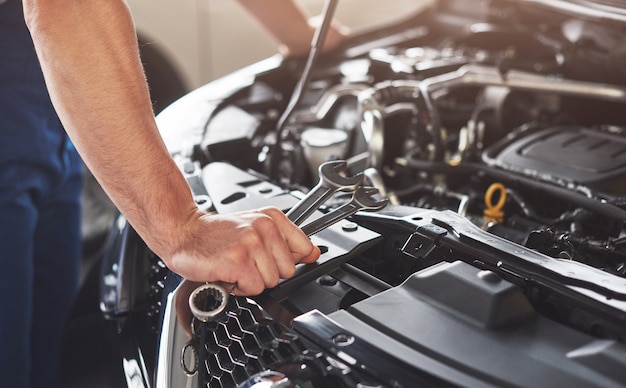
A car is a major investment, and like any valuable asset, it requires attention and care to remain in optimal condition. Whether you’re commuting to work, embarking on a road trip, or simply running errands, the reliability of your car is essential to everyday life. Regular car services are key to maintaining that reliability, ensuring safety, preventing costly repairs, and extending the lifespan of your vehicle. In this article, we will delve into the significance of car services, the common types of maintenance your vehicle needs, and the long-term benefits of staying on top of these essential tasks.
Why Car Services Are Crucial
-
Prevents Major Breakdowns: Car problems rarely occur without warning. Small issues, if neglected, can quickly escalate into larger, more costly problems. For instance, a minor issue like a worn-out belt or a low fluid level can lead to engine failure, transmission problems, or even a complete breakdown. Regular car services help catch these problems early before they cause significant damage. By identifying potential issues before they worsen, you can avoid inconvenient and expensive repairs down the road.
-
Ensures Safety on the Road: Regular maintenance checks are vital for keeping your vehicle’s most critical systems in working order. A faulty brake system, worn-out tires, or an engine malfunction can all lead to dangerous driving situations. Car servicing includes inspecting safety features such as brakes, suspension, steering, lights, and tires to ensure they function properly. Addressing any issues during these inspections can prevent accidents and ensure you and your passengers are safe while driving.
-
Boosts Fuel Efficiency: A well-maintained car is a more fuel-efficient car. Regular services, such as changing the oil, replacing the air filter, and keeping tires properly inflated, can help your car run more efficiently. For instance, replacing a clogged air filter ensures that your engine gets the right amount of airflow, which helps it run smoothly and burn less fuel. Maintaining proper tire pressure is another simple but effective way to reduce fuel consumption and extend the lifespan of your tires.
-
Prolongs the Lifespan of Your Vehicle: Every vehicle has a lifespan, but proper care can significantly extend its longevity. Routine maintenance, like oil changes, brake checks, and fluid replacements, keeps the engine and other vital systems running at their best. Cars that are regularly serviced are more likely to remain in good working order for many years, preventing premature wear and tear. This means you can enjoy your vehicle for longer, maximizing the return on your investment.
-
Preserves Resale Value: If you plan to sell or trade in your vehicle in the future, having a full service history can increase its resale value. A car that has been regularly serviced and well-maintained is far more attractive to potential buyers than one that has been neglected. Buyers are willing to pay more for a car that has been properly cared for, and having documented service records adds credibility to your vehicle’s condition. On the other hand, a lack of maintenance history could raise doubts about the car’s reliability, lowering its resale price.
Key Car Services Your Vehicle Needs
Car servicing covers a wide range of checks and maintenance tasks to keep your car running smoothly. Here are some of the essential 接送服務 every vehicle needs to stay in top condition:
-
Oil and Filter Changes: One of the most common and important car services is the oil change. Engine oil lubricates the moving parts of the engine, preventing friction and overheating. Over time, the oil breaks down and becomes contaminated with dirt, which can damage the engine if left unchecked. Changing the oil and replacing the oil filter regularly ensures that your engine remains well-lubricated and operates at peak efficiency. Most cars require oil changes every 3,000 to 7,500 miles, but always refer to your owner’s manual for specific guidelines.
-
Brake Inspections: Brakes are critical to your vehicle’s safety, so regular inspections are essential. During a brake inspection, the mechanic will check the brake pads, rotors, and brake fluid levels to ensure they are in proper working condition. If the brake pads are worn down or the brake fluid is low, the brakes may not function effectively, increasing the risk of an accident. Regular brake maintenance helps keep your car’s stopping power strong and ensures that your vehicle is safe to drive.
-
Tire Maintenance: Tires are the only point of contact between your car and the road, making them a crucial component for both safety and performance. Tire maintenance involves checking tire pressure, tread depth, and alignment. Properly inflated tires ensure optimal traction, better fuel economy, and improved handling. Regular tire rotations help ensure even wear, which extends the life of your tires. Having your tires checked regularly is an easy way to improve road safety and prevent blowouts.
-
Fluid Checks and Replacements: Your car uses several types of fluids to operate effectively, including engine oil, coolant, brake fluid, transmission fluid, and power steering fluid. Over time, these fluids can become dirty or depleted, leading to potential system malfunctions. Regular servicing includes checking fluid levels and topping them up or replacing them as needed. Keeping the fluid levels within the recommended range is essential for the smooth operation of your car’s systems and helps prevent overheating, poor braking performance, or transmission failure.
-
Battery Inspection: A dead battery is one of the most common causes of unexpected breakdowns. Car services usually include inspecting the battery to ensure it is holding a proper charge. The technician will also check for signs of corrosion on the battery terminals, which can affect the battery’s performance. Replacing an old or weak battery before it dies can save you the inconvenience of being stranded, especially during extreme weather conditions when the battery is more likely to fail.
-
Air Filter and Cabin Filter Replacement: The air filter ensures that clean air flows into the engine, while the cabin filter ensures that the air inside the vehicle is clean and free of allergens. Over time, both filters can become clogged with dirt, dust, and debris, which reduces engine performance and air quality. Regularly replacing these filters can improve engine efficiency, enhance fuel economy, and ensure a cleaner, more comfortable ride.
-
Suspension System Check: The suspension system helps maintain a smooth ride by absorbing shocks from bumps and irregularities in the road. It also plays a vital role in your car’s handling and steering. During a suspension system check, the mechanic will inspect the shocks, struts, and other components for signs of wear. A well-maintained suspension ensures that your car handles well and provides a comfortable ride.
-
Exhaust System Inspection: The exhaust system reduces harmful emissions and noise produced by the engine. Over time, the exhaust system can develop leaks, rust, or blockages, leading to poor engine performance and increased emissions. A regular exhaust inspection ensures that your vehicle is running efficiently and meets environmental regulations. If any issues are detected, prompt repairs can prevent further damage and keep your car running cleanly.
How Often Should You Service Your Car?
While the specific service intervals may vary depending on your car’s make and model, here are general guidelines for key services:
- Oil Change: Every 3,000 to 7,500 miles, or as recommended by the manufacturer.
- Tire Rotation: Every 6,000 to 8,000 miles.
- Brake Inspection: Every 12,000 miles or once a year.
- Battery Check: Every 12 months.
- Fluid Checks: Every 6,000 to 12,000 miles.
- Full Service Check: Every 12,000 miles or once a year.
Always refer to your vehicle’s owner manual for specific service recommendations.
Choosing the Right Car Service Provider
Selecting the right service provider for your car is crucial to ensuring that the maintenance is done properly. Here are a few things to consider when choosing a mechanic or service center:
-
Experience and Certifications: Choose a service provider with experienced, certified technicians. Look for certifications like ASE (Automotive Service Excellence) to ensure the mechanics are qualified to handle your vehicle.
-
Reputation: Research customer reviews and ask for recommendations to find a service provider with a good track record. A reputable service provider will offer quality work and reliable customer service.
-
Transparent Pricing: Make sure the service provider offers clear pricing and provides an itemized estimate before starting any work. Avoid service centers that use vague or misleading pricing practices.
-
Warranty on Services: A reputable service provider should offer warranties on parts and labor. This ensures that you’re covered in case any issues arise after the service is completed.
Conclusion
Regular car services are essential for keeping your vehicle running smoothly, safely, and efficiently. By staying on top of routine maintenance, you can prevent costly repairs, improve fuel efficiency, and extend the lifespan of your car. Whether it’s checking the brakes, changing the oil, or inspecting the tires, routine servicing helps ensure that your car remains in optimal condition, providing peace of mind and reliability on the road. Don’t wait until your car breaks down—make regular car servicing a priority and enjoy a safer, longer-lasting driving experience.