

The aerospace manufacture is one of the most dynamic and thought-provoking sectors in manufacturing, requiring the highest standards of precision, safety, and performance. Among the various materials used in the macrocosm of aircraft and ballistic capsule, aluminum has emerged as a cornerstone due to its of get off angle, potency, and durability. As the demand for more fuel-efficient, property, and high-performing aerospace technologies grows, premium ALUMINUM MANUFACTURERs play a pivotal role in providing original solutions to meet these challenges.
The Role of Aluminum in Aerospace
Aluminum’s dominance in aerospace applications comes from its unique of properties. Lightweight yet warm, it offers the hone poise for both structural components and various other aircraft parts. It can hold out extreme temperatures and pressures, while its resistance to corrosion is life-sustaining for long-lasting dependability in aerospace environments. These properties make aluminium an necessary stuff for components such as fuselages, wings, parts, and more.
However, as the aerospace industry evolves, so too must the material solutions that meet the incorporative demands for greater efficiency, sustainability, and performance. Premium ALUMINUM MANUFACTURERs are meeting these evolving needs by development advanced alloys, processing techniques, and designs that push the boundaries of traditional Al applications.
Advanced Alloys for Aerospace Applications
One of the most significant innovations from premium ALUMINUM MANUFACTURERs is the of hi-tech atomic number 13 alloys. These alloys often unite aluminium with such as , Mg, atomic number 25, and atomic number 14 to raise particular properties such as effectiveness, thermic conductivity, or underground to fag out. These alloys are crafted to execute in the tight environments of aerospace.
For example, aluminium-lithium alloys are one of the most groundbreaking developments in aerospace aluminum. These alloys are even ignitor than orthodox atomic number 13 alloys, offering weight nest egg without vulnerable strength or lastingness. The rock-bottom slant translates directly into fuel , an necessary factor for airlines quest to turn down work and reduce emissions. Aluminum-lithium alloys also demo master wear underground and can be used in high-stress components, such as aircraft wings or fuselage panels, which need the utmost dependableness.
Innovative Manufacturing Techniques
Aluminum manufacturers have also made substantial strides in advancing the techniques used to work on aluminum for aerospace applications. Traditional methods like molding, wheeling, and forging have been enhanced through posit-of-the-art technologies, such as bilinear manufacturing and preciseness machining, which have open up new possibilities for both plan and public presentation.
Additive Manufacturing(3D Printing):
One of the most groundbreaking advancements in aerospace manufacturing is the practical application of bilinear manufacturing, unremarkably known as 3D printing process. This applied science allows for the production of extremely and optimized parts with intricate geometries that were previously intolerable to produce using traditional methods. Premium ALUMINUM MANUFACTURERs have embraced 3D printing to produce lightweight components that meet demand specifications for effectiveness and durability while minimizing material waste.
The use of 3D printing for Al alloys in aerospace has revolutionized the way manufacturers set about the plan and product of parts. Engineers can now produce parts that are not only stronger and ignitor but also more competent to create, with less scrap material and shorter lead multiplication.
Advanced Heat Treatment:
Heat handling is another crucial scene of Al processing that has seen innovation in Recent old age. Advanced heat handling techniques are used to ameliorate the mechanical properties of Al alloys, qualification them more suitable for the extreme point conditions found in aerospace environments. These processes, such as root heat treating, ageing, and annealing, atomic number 13 parts to demonstrate enhanced potency, flexibility, and wear upon resistance, all indispensable for ensuring the safety and public presentation of aircraft and ballistic capsule.
Sustainability and Eco-Friendly Innovations
As the world focuses more on sustainability, aerospace manufacturers are more and more prioritizing the simplification of their carbon step. Premium ALUMINUM MANUFACTURERs are ascension to this take exception by focussing on the recycling and reprocess of atomic number 13. Recycling aluminium not only preserves raw materials but also significantly reduces the vim needful in product compared to primary feather aluminum product.
Aluminum is one of the most recycled materials globally, and manufacturers in the aerospace sector are taking vantage of this fact. By employing hi-tech recycling techniques, these manufacturers can reuse high-performance alloys in new parts without vulnerable their properties. This not only reduces state of affairs bear upon but also lowers , qualification it an magnetic selection for aerospace companies striving for both sustainability and .
Furthermore, innovations in aluminum production, such as the use of renewable energy sources in smelting and alloying processes, contribute to more eco-friendly manufacturing practices. Aluminum manufacturers are more and more orienting their practices with the international push toward reducing carbon emissions and minimizing situation .
Collaboration with Aerospace Designers and Engineers
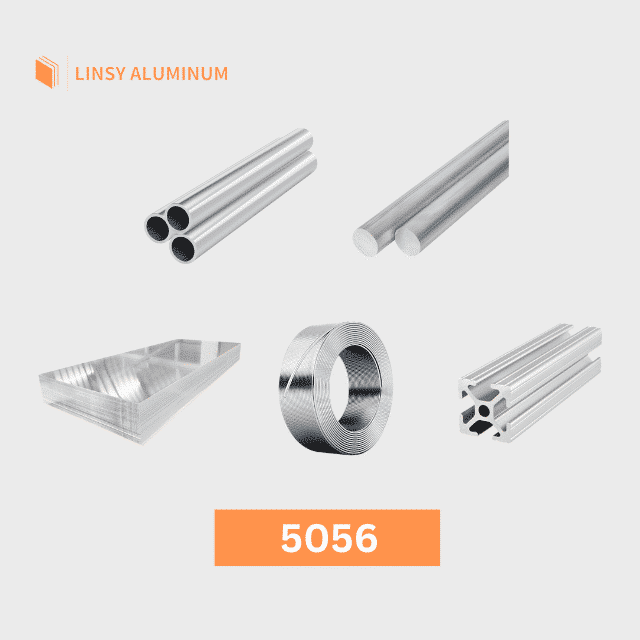
Premium 5056 Aluminum are not merely suppliers of materials; they are essential partners in the aerospace plan and engineering work. By working intimately with aerospace designers and engineers, manufacturers can check that their aluminum solutions are trim to meet the stern standards required by the industry. From the early stages of plan to final exam production, ALUMINUM MANUFACTURERs ply worthful insights into material survival, public presentation characteristics, and potential cost-saving measures.
This collaboration often leads to custom solutions, such as tailor-made alloys or particular processing techniques, that enhance the overall performance of the end product. Whether it’s a whippersnapper airframe, fuel-efficient component part, or extremely resilient wing structure, the synergism between ALUMINUM MANUFACTURERs and aerospace engineers is some of the most stimulating advancements in modern font aviation.
Conclusion
The aerospace industry’s pursuit of greater , public presentation, and sustainability relies heavily on the innovations provided by premium ALUMINUM MANUFACTURERs. Through the of high-tech Al alloys, cutting-edge manufacturing techniques, and a commitment to sustainability, these manufacturers are pushing the boundaries of what is possible in aerospace materials.
As applied science continues to evolve, the partnership between aerospace engineers and ALUMINUM MANUFACTURERs will become even more material. Together, they will pave the way for the next generation of aircraft and spacecraft—safer, more effective, and environmentally amicable than ever before. With continuing excogitation, premium ALUMINUM MANUFACTURERs will remain at the cutting edge of shaping the futurity of aerospace applied science.