

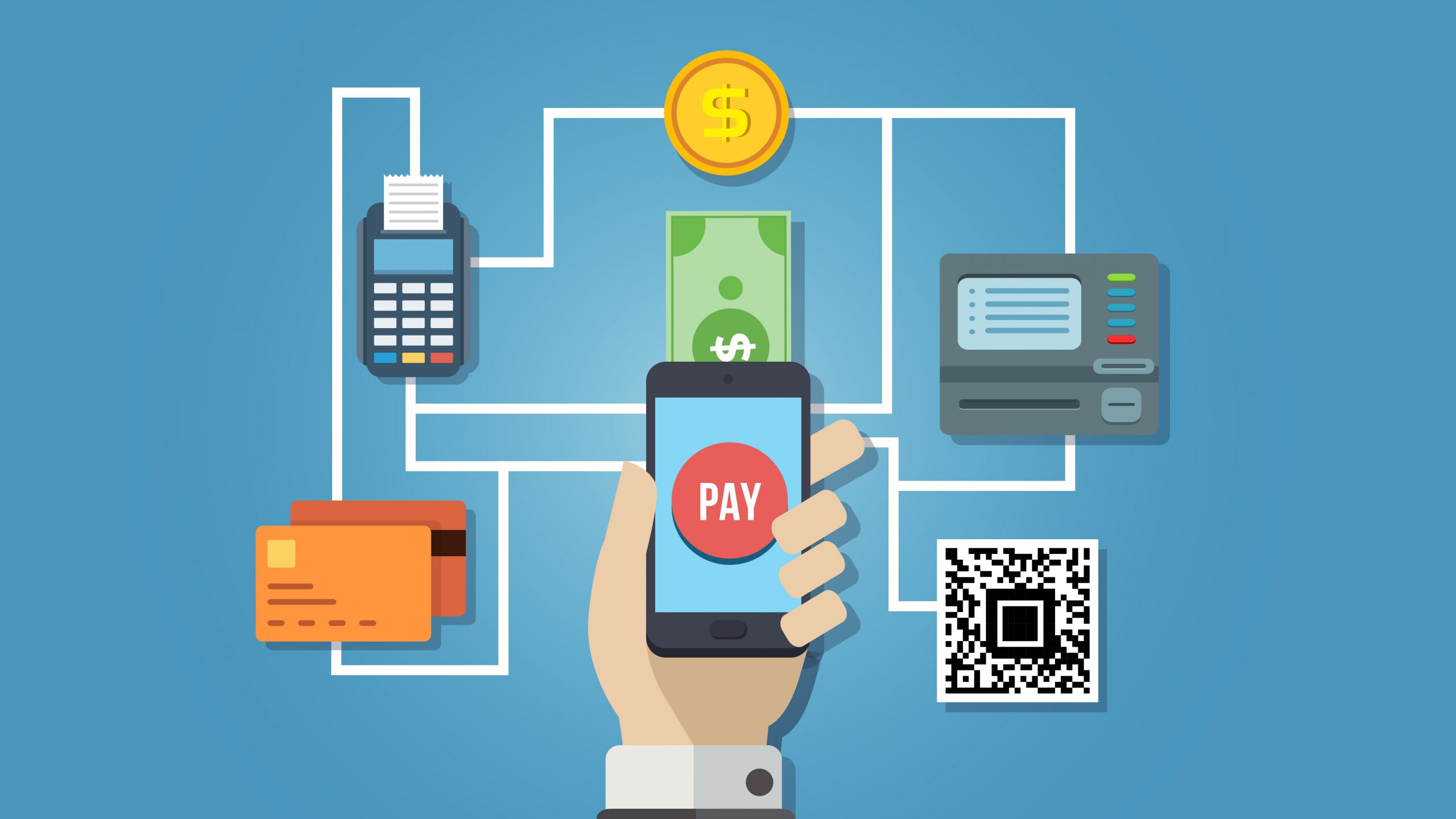
As the world becomes more interconnected and technology-driven, e-payments have emerged as a revolutionary method of conducting financial transactions. Gone are the days of relying solely on physical cash or checks to make payments. The rise of e-payments has radically transformed how we pay for goods and services, both online and in physical stores. Whether you're transferring money to a friend, buying products online, or paying bills, electronic payments provide a faster, more efficient, and secure alternative to traditional financial methods. This article will explore the evolution of e-payments, their types, benefits, challenges, and the future of digital payments.
What Are E-Payments?
E-payments, or electronic payments, are financial transactions made over the internet or through digital platforms without the need for physical cash. These transactions can occur between individuals, businesses, or even governments. E-payments encompass a broad range of technologies, from mobile wallets to bank transfers, cryptocurrency payments, and more.
Unlike traditional forms of payment, e-payments rely on digital infrastructure, such as payment gateways, secure networks, and encryption protocols, to ensure transactions are processed safely and efficiently. With the growing use of smartphones, the internet, and financial apps, e-payments have gained massive popularity, driving a shift towards a cashless economy.
The History and Evolution of E-Payments
The development of electronic payments can be traced back several decades, with major technological milestones marking their progress:
-
Early Days of Payment Cards (1950s – 1980s) The first significant development in electronic payments began with the introduction of credit and debit cards in the 1950s. These cards allowed customers to borrow funds (credit cards) or access their own funds (debit cards) to make payments at stores. By the 1980s, electronic ATMs (Automated Teller Machines) and POS (Point of Sale) terminals began facilitating card-based transactions, making payments faster and more convenient.
-
The Internet Revolution and PayPal (1990s – Early 2000s) As the internet exploded in the 1990s, the need for digital payment systems grew. In 1998, PayPal was founded as one of the first online payment platforms, allowing users to send and receive money online. PayPal’s success marked the beginning of the e-commerce boom, with online retailers and consumers adopting digital payments for goods and services. PayPal’s platform bridged the gap between buyers and sellers in a way that physical payment methods could not.
-
The Mobile Payment Era (2000s – Present) With the rise of smartphones and apps, mobile payments took off. Mobile wallets like Apple Pay, Google Pay, and Samsung Pay made it possible to pay for goods and services by simply tapping a smartphone at a point-of-sale terminal. In addition, mobile apps like Venmo and Zelle simplified peer-to-peer money transfers, allowing users to send funds to friends and family with ease.
-
Cryptocurrency and Blockchain (2009 – Present) The launch of Bitcoin in 2009 marked a new era of payments based on cryptocurrency and blockchain technology. Bitcoin allowed users to transfer funds securely over a decentralized network without relying on banks or other intermediaries. Since then, other cryptocurrencies like Ethereum and Litecoin have gained traction, and many businesses have begun accepting digital currencies for goods and services. Blockchain technology, the backbone of cryptocurrencies, is also being used to enhance the security and transparency of e-payment systems.
-
Buy Now, Pay Later (BNPL) (2010s – Present) In recent years, the Buy Now, Pay Later (BNPL) service model has become increasingly popular. Platforms like Klarna, Afterpay, and Affirm allow consumers to make purchases and pay in installments over time, often without interest. This model appeals to shoppers who may not have the funds to pay for an item upfront but still want to complete the purchase immediately.
Types of E-Payment Systems
There are several different types of e-payment systems that cater to various needs and preferences. Let’s break down the most common ones:
-
Credit and Debit Cards Credit and debit cards are the most widely used e-payment methods globally. These cards are issued by financial institutions and allow users to make payments by charging purchases to a line of credit (credit cards) or directly deducting money from their bank accounts (debit cards). Payment card networks like Visa, MasterCard, and American Express facilitate these transactions, making them widely accepted both online and in physical stores.
-
Digital Wallets (E-Wallets) Digital wallets, also known as e-wallets, store users’ payment information securely in a digital format. Services like PayPal, Google Pay, Apple Pay, and Samsung Pay have become popular options for mobile payments, allowing users to store credit card or bank account details and make transactions by simply tapping their smartphones. Digital wallets often offer the added benefit of storing loyalty cards, coupons, and gift cards, making them convenient for a wide variety of financial activities.
-
Bank Transfers Bank transfers allow users to send money directly between bank accounts, either via online banking or through mobile apps. Popular systems like ACH (Automated Clearing House) and SEPA (Single Euro Payments Area) enable easy transfers for both domestic and international transactions. Bank transfers are often used for larger transactions, such as bill payments, salary deposits, or rent.
-
Cryptocurrency Payments Cryptocurrencies such as Bitcoin, Ethereum, and Ripple provide an alternative to traditional currencies for digital transactions. These payments are based on blockchain technology, offering a secure, decentralized method for transferring value between parties without the need for intermediaries like banks. Cryptocurrencies are particularly useful for international payments, as they often have lower fees and faster processing times than traditional banking systems.
-
Buy Now, Pay Later (BNPL) Services Buy Now, Pay Later (BNPL) services allow consumers to split the cost of a purchase into smaller, interest-free installments, often over a few weeks or months. Popular BNPL providers include Klarna, Afterpay, and Affirm. This service has become especially popular in e-commerce, allowing consumers to make purchases they may not be able to afford upfront and pay over time without accruing interest.
Benefits of E-Payments
E-payments offer numerous benefits that have contributed to their widespread adoption:
-
Convenience E-payments are incredibly convenient, allowing consumers to make transactions at any time and from any place. Whether you are shopping online, paying bills, or sending money to a friend, e-payments eliminate the need to handle cash or visit a physical bank.
-
Speed E-payment transactions are fast, often occurring in real-time. This is particularly important for online purchases or peer-to-peer transfers, where users expect their payments to be processed instantly.
-
Security One of the key advantages of e-payments is the security they offer. Encryption, tokenization, and multi-factor authentication ensure that sensitive financial data remains protected. Cryptocurrencies, in particular, offer heightened security by leveraging blockchain technology, which creates an immutable and transparent record of transactions.
-
Global Reach E-payments enable businesses and individuals to engage in international transactions with ease. Cryptocurrencies, for example, allow for seamless, cross-border payments without the need for currency exchange or intermediaries like banks, making them a powerful tool for global commerce.
-
Cost-Efficiency E-payment systems can be more cost-effective than traditional payment methods. For businesses, adopting digital payments reduces administrative costs associated with cash handling, check processing, and fraud prevention. For consumers, e-payment systems often offer lower fees compared to traditional banking services, especially for international transfers.
-
Financial Inclusion E-payments are playing a critical role in enhancing financial inclusion, particularly in developing regions. Mobile money platforms like M-Pesa have enabled millions of unbanked individuals to access financial services, transfer money, and pay bills, all from their mobile phones.
Challenges of E-Payments
While qr code payment system s provide significant advantages, they also come with challenges:
-
Cybersecurity Threats As e-payment systems grow in popularity, so do the threats posed by cybercriminals. Data breaches, identity theft, and fraud are significant concerns, especially as more personal and financial data is stored online.
-
Privacy Concerns E-payment systems often require users to share sensitive information such as credit card details, home addresses, and phone numbers. This raises concerns about the privacy and security of user data, particularly in the case of data breaches or third-party access.
-
Digital Divide While e-payments have become the norm in many developed countries, there is still a significant digital divide in less developed regions. Access to smartphones, reliable internet, and banking infrastructure is not universal, limiting the widespread adoption of e-payments.
-
Regulatory Issues Governments around the world are still working to create regulations and standards for e-payments. The lack of uniform regulation across countries can make cross-border transactions complex and can result in inconsistent consumer protection.
The Future of E-Payments
The future of e-payments looks promising, driven by continuous technological advancements. Some key trends that will shape the future of e-payments include:
-
Blockchain and Cryptocurrencies Blockchain and cryptocurrencies will continue to disrupt traditional payment systems, particularly in cross-border transactions. Central bank-backed digital currencies (CBDCs) may become more prevalent, providing a secure, government-backed alternative to cryptocurrencies.
-
Biometric Authentication The use of biometric authentication (e.g., fingerprint scans, facial recognition) will become more widespread in e-payment systems, offering increased security and convenience.
-
Artificial Intelligence and Machine Learning AI and machine learning will play a major role in fraud detection, personalized customer experiences, and streamlining the payment process. By analyzing transaction data in real time, AI can help identify fraudulent activity and offer better services to consumers.
-
Internet of Things (IoT) Payments The Internet of Things (IoT) will create more seamless payment experiences. Devices like smartwatches, connected cars, and voice assistants will soon be able to handle payments automatically, further integrating digital payments into daily life.
Conclusion
E-payments are revolutionizing the way we conduct financial transactions, offering unprecedented convenience, security, and efficiency. While challenges like cybersecurity risks, privacy concerns, and the digital divide remain, technological innovations are helping to address these issues. As e-payment systems evolve and become even more integrated into our daily lives, they will continue to drive global commerce, reduce transaction costs, and improve financial inclusion, paving the way for a more digital and cashless future.